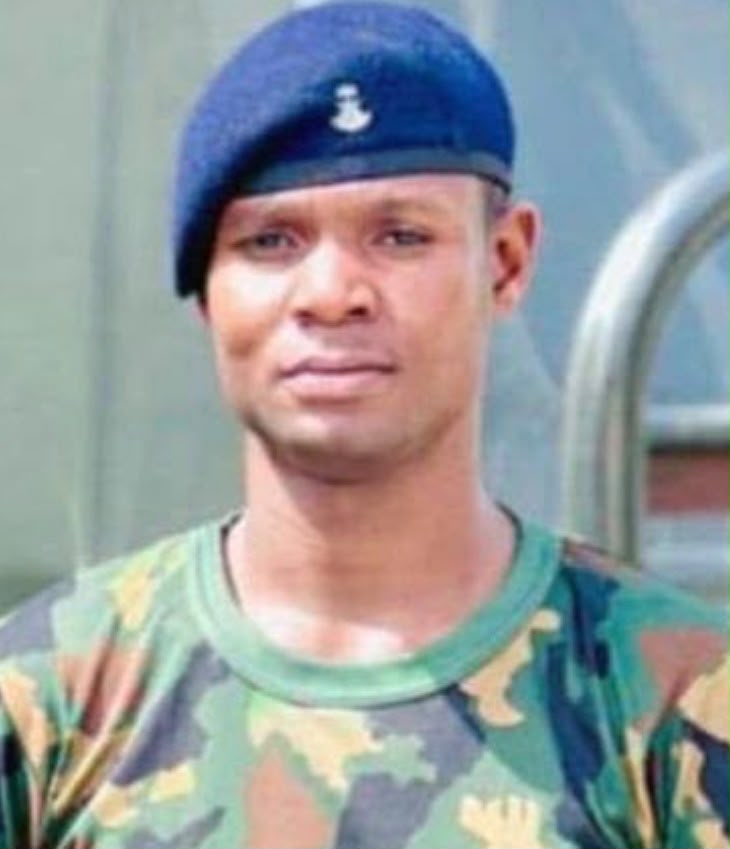

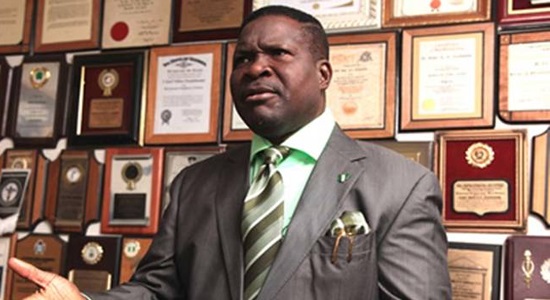
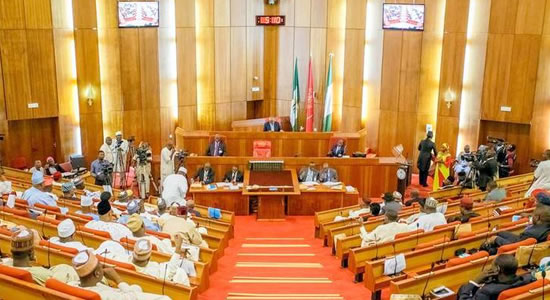
The Senate on Thursday confirmed 64 nominees as career and non-career ambassadors of the Federal Republic of Nigeria, marking a significant step in strengthening the country's diplomatic representation abroad. The approvals followed weeks of screening by the Senate Committee on Foreign Affairs. Among those confirmed were prominent political figures and former public office holders, including ex-INEC chairman Prof. Mahmood Yakubu former Aviation Minister, Chief Olufemi Fani-Kayode; former Interior Minister, Lt. Gen. Abdulrahman Dambazzau (rtd); former Rivers State sole administrator, Vice Admiral Ibok-Ete Ibas (rtd); and former presidential aide, Mr. Reno Omokri. Others included former governors Ifeanyi Ugwuanyi (Enugu) and Okezie Ikpeazu (Abia), alongside several former lawmakers and technocrats.
Presenting the committee’s report, its chairman, Senator Sani Bello, said all nominees were found suitable, noting that no petitions or adverse security reports were recorded. “The committee carefully examined the credentials, experience, and competence of all nominees and is satisfied that they are qualified to represent Nigeria in their respective postings,” he said. A nominee from Yobe State, who failed to appear for screening, was excluded.
Senate President Godswill Akpabio, who declared the nominees confirmed, urged them to view their appointments as national service. “You are going out there to represent Nigeria. Wherever you are posted, remember that you carry the image, values, and aspirations of over 200 million Nigerians,” he said.
Meanwhile, the joint Senate Committee on Petroleum Resources (Upstream, Downstream and Gas) screened President Bola Tinubu's nominees for the leadership of Nigeria's oil and gas regulators, Oritsemeyiwa Eyesan for the Nigerian Upstream Petroleum Regulatory Commission (NUPRC), and Engineer Saidu Mohammed for the Nigerian Midstream and Downstream Petroleum Regulatory Authority (NMDPRA).
Eyesan told lawmakers her agenda would prioritise collaboration, technology, and data-driven regulation, lamenting the industry’s slow pace of digitisation. “Without real numbers, you don’t know what you are dealing with. If you don’t have a digitised system in today’s operation, you are losing money,” she said, describing the Petroleum Industry Act (PIA) as “a valuable document” that must be fully leveraged.
Mohammed focused on enforcing contracts and restoring discipline across the gas and petroleum value chains. "Gas is a commodity that is sold before you even start producing it. There must be contracts, from the producer to the transporter to the eventual user," he said, warning against neglecting local capacity: "We must protect our local interests; otherwise, they will go the way of the textile industry."
Chairman of the Senate Committee on Petroleum Resources (Downstream), Senator Sumaila Kawu, described the screening as timely, while noting that further engagements would continue into January. With the exercise concluded, the Senate is expected to consider the committee’s report and move towards confirming the nominees, paving the way for a new phase in Nigeria’s oil and gas regulation.