


By Makama Dandogo
Any attempt by Col. Mohammed Ma’aji and his associates to overthrow the democratically elected government of President Bola Ahmed Tinubu deserves strong condemnation. Whatever grievances the officers may have, taking up arms against a constitutional government is not the answer. Nigeria has already paid a heavy price for decades of military rule. We cannot afford to return to a time when governments were changed through force instead of the ballot box. If there are allegations of a coup plot, they should be properly investigated and handled according to the law. But personal frustration or a claim of patriotism cannot justify an attempt to seize political power by force.
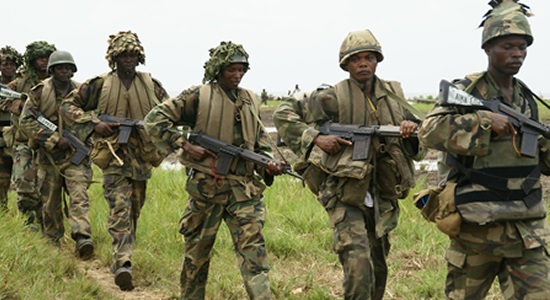
The Nigerian military has a vital role to play in protecting the country, its people and its constitutional democracy. Soldiers swear an oath of allegiance and are expected to remain loyal to the nation and its Constitution. That oath carries a serious responsibility. An officer may disagree with government policies, feel frustrated by the state of the country or believe that certain decisions are unfair, but such disagreements should not become a reason to overthrow an elected government. The military must remain professional and above partisan politics. Once soldiers begin to decide who should govern Nigeria, the country’s democratic foundation becomes seriously threatened.
There is no doubt that Nigerians, including members of the Armed Forces, have genuine concerns. Insecurity, economic hardship, corruption, poor welfare and other national challenges are issues that deserve urgent attention. But having genuine concerns does not give anyone the right to take power through unconstitutional means. If a government is performing poorly, Nigerians have institutions through which it can be challenged. Parliament can provide oversight, the courts can hear legal challenges, the media can expose wrongdoing, civil society can demand accountability and citizens can organise peacefully. Most importantly, voters can decide the future of any government through elections.
If the reported failure of a promotion examination played any role in the grievances attributed to Col. Ma’aji, then that should also be viewed through the lens of personal responsibility and professional discipline. Failing an examination or being denied a promotion can be painful and disappointing, especially for someone who has devoted years to military service. But personal disappointment should never be allowed to become a national crisis. There are established procedures within the military for appealing examination results, challenging administrative decisions and seeking redress. Where an officer believes that he has been treated unfairly, the proper response is to use those channels rather than turn personal grievances into an attempt to change the government by force.
The military profession demands discipline precisely because its members have access to weapons and possess the capacity to cause enormous harm when that discipline breaks down. Soldiers are entitled to their personal feelings, but they are also bound by the responsibilities that come with wearing the uniform. Frustration, political disagreement or disappointment must not override professional duty. Any allegations against officers involved in a suspected coup should therefore be investigated fairly, transparently and according to due process. If anyone is found guilty, the law should take its course. At the same time, nobody should be condemned without a proper investigation and the opportunity to defend themselves.
Nigerians must also stop romanticising military coups as an easy solution to bad governance. History has shown that military intervention does not automatically eliminate corruption, insecurity, poverty or poor leadership. In many cases, it creates new problems while weakening democratic institutions. Democracy may be imperfect, but its imperfections should make us demand better leadership—not abandon the system altogether. Citizens who are unhappy with a government have the right to protest peacefully, organise politically, challenge decisions in court, demand accountability and campaign for change.
At the end of the day, the power to change Nigeria’s government belongs to the Nigerian people. If citizens believe that President Tinubu’s administration has failed, they have the democratic right to vote for another government when the opportunity comes. That is how mature democracies change leadership. Political power should be won through persuasion, elections and the consent of the people—not through military conspiracy or the barrel of a gun. Whatever grievances Col. Ma’aji or any other officer may have, Nigeria is greater than any individual disappointment or ambition. The Armed Forces should defend the Constitution and the democratic process, while Nigerians should defend their right to choose their leaders. Nigeria has come too far to return to the dark days of military rule.