



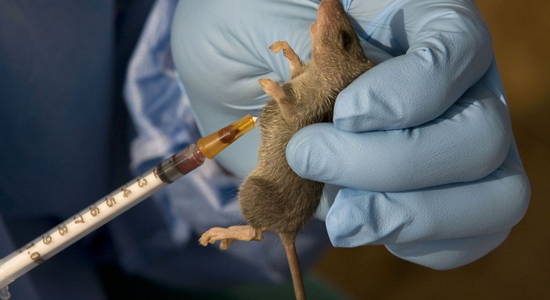
Nigerian health authorities are intensifying surveillance and emergency preparedness efforts as the country battles a fresh rise in Lassa fever infections while guarding against the risk of Ebola importation from neighbouring countries. The Nigeria Centre for Disease Control and Prevention (NCDC) has urged states to strengthen early detection systems, improve laboratory capacity and reinforce public awareness campaigns to curb the spread of infectious diseases.
The renewed focus comes after the NCDC reported an increase in confirmed Lassa fever cases in recent epidemiological weeks, with cumulative infections and fatalities climbing this year. The agency said new cases have continued to emerge in several states, including Ondo, Bauchi, Edo, Kogi and Cross River, underscoring persistent transmission despite ongoing response measures. Health officials have attributed the high fatality rate to delayed presentation at health facilities, poor sanitation and limited awareness in affected communities.
Separately, Plateau State has intensified its emergency response to a cholera outbreak that has spread across multiple local government areas after dozens of communities reported suspected infections. State authorities, working with the NCDC and development partners, have activated coordinated surveillance, case management and public health interventions aimed at containing further transmission during the rainy season, when waterborne diseases typically increase.
Nigeria is also strengthening regional cooperation on disease preparedness. The Federal Government and the ECOWAS Regional Centre for Surveillance and Disease Control have reaffirmed their commitment to improving health security across West Africa through enhanced risk communication, cross-border surveillance and community engagement. Officials say combating misinformation remains essential to ensuring timely reporting and effective outbreak response.
Public health experts have meanwhile renewed calls for Nigerians to undergo routine medical screening after a recent free health outreach in Oyo State uncovered numerous previously undiagnosed cases of hypertension among participants. The findings have reinforced concerns that many non-communicable diseases continue to go undetected until complications develop, prompting doctors to advocate regular check-ups alongside efforts to tackle infectious diseases.
With Lassa fever remaining endemic and regional concerns over Ebola persisting, the NCDC has advised healthcare workers to maintain a high index of suspicion for infectious diseases, while urging the public to practise good hygiene, eliminate rodent infestations, seek prompt medical attention for symptoms such as persistent fever and avoid misinformation. Health officials say sustained vigilance at both community and state levels will be critical to preventing larger outbreaks in the months ahead.