



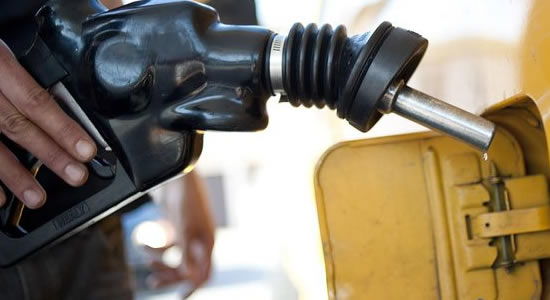
Escalating tensions in the Middle East are beginning to ripple through Nigeria's economy, as rising global crude oil prices push up the cost of petrol and trigger increases in transport fares and food prices across several parts of the country. Across major cities including Lagos, Abuja, Kano, Kaduna, Port Harcourt and Yenagoa, motorists and commuters are facing a fresh round of petrol price adjustments, with the pump price of Premium Motor Spirit (PMS) climbing to between N1,020 and N1,100 per litre at many filling stations.
The development has sparked concerns among residents, transport operators and traders who fear the increase could further worsen the already high cost of living and place additional pressure on household budgets.
In Lagos, checks at several filling stations showed that petrol now sells between N1,050 and N1,100 per litre, depending on the outlet. Stations operated by Northwest Petroleum sell at about N1,050 per litre, while TotalEnergies dispenses at around N1,055. MRS Oil outlets sell at roughly N1,057, while Mobil stations charge as high as N1,100 per litre.
The rising fuel cost has already begun to affect transportation. Ekundayo Oladimeji, a commercial bus driver operating between Ogba and Ikeja, said fares have increased from N400 to N500.
“There is no doubt about the possibility of increased transport fare. We have started charging N500 from Ogba to Ikeja. On Monday, it may increase to N700. I bought fuel at N935 on Friday, but yesterday morning (Saturday) I bought it at N1,057, and the price may keep increasing,” he said.
Some transport operators, however, said they were hesitant to raise fares immediately because of passengers’ resistance. Nelson, who operates on the Ogba–Agege route, said: “We have not increased the price because passengers are already complaining about the current fares. But the increase in the price of fuel has affected our expenses and reduced our profit.”
Food markets are also feeling the impact, as traders blame higher transportation costs for a sharp increase in the prices of perishable goods such as pepper and tomatoes. A small bag of pepper now sells for about N82,000 compared to N18,000 previously, while a medium bag has risen to about N122,000 from N22,000. A large bag now costs around N172,000 compared to about N70,000 earlier.
Similarly, a small bag of tomatoes that previously sold for about N22,000 now costs roughly N50,000, while the price of a large bag has climbed from around N62,000 to about N125,000.
In Kano, several filling stations including AY Maikifi, Aliko Oil and AA Rano have increased pump prices from about N980 per litre to between N1,050 and N1,104 within days. At some outlets of the Nigerian National Petroleum Company Limited (NNPC), petrol was selling for as high as N1,084 per litre, while AMMASCO filling station dispensed at N1,104.
A Kano resident, Abubakar Danzaria, described the situation as worrying. “We are observing Ramadan and suddenly fuel prices are increasing again and again,” he said, warning that repeated increases could trigger public anxiety.
The situation is similar in Abuja, where petrol now sells between N1,050 and N1,080 per litre compared to about N845 to N875 previously, leaving motorists uncertain about how prices may evolve in the coming weeks. In border communities of Ogun State, prices were even higher, reaching between N1,300 and N1,400 per litre at some stations.
In the oil-producing cities of Yenagoa and Port Harcourt, traders and residents said food prices were rising as transport operators adjusted fares. Destiny Udo, a tricycle operator in Yenagoa, said, “If I buy fuel at the new price, pay levies to government agents and still charge the old fare, then I will be out of business.”
The latest petrol price increases coincide with a surge in global crude oil prices triggered by the escalating conflict involving the United States, Israel and Iran. The crisis has raised fears of supply disruptions in the Middle East, particularly around the Strait of Hormuz, one of the world’s most critical oil transit routes.
Global crude oil prices have already climbed to about $93 per barrel from around $69 at the start of the conflict, with analysts warning that prices could rise further if tensions escalate, potentially pushing crude prices as high as $130 per barrel. Given Nigeria’s reliance on global oil markets for refined products, analysts say the continued rise in crude prices is likely to keep domestic fuel prices and inflation under pressure.