


The United States has been conducting intelligence-gathering flights over large parts of Nigeria since late November, according to Reuters, citing flight-tracking data and current and former U.S. officials. The surveillance activity underscores a renewed phase of security cooperation between Washington and Abuja amid escalating violence and diplomatic tensions.
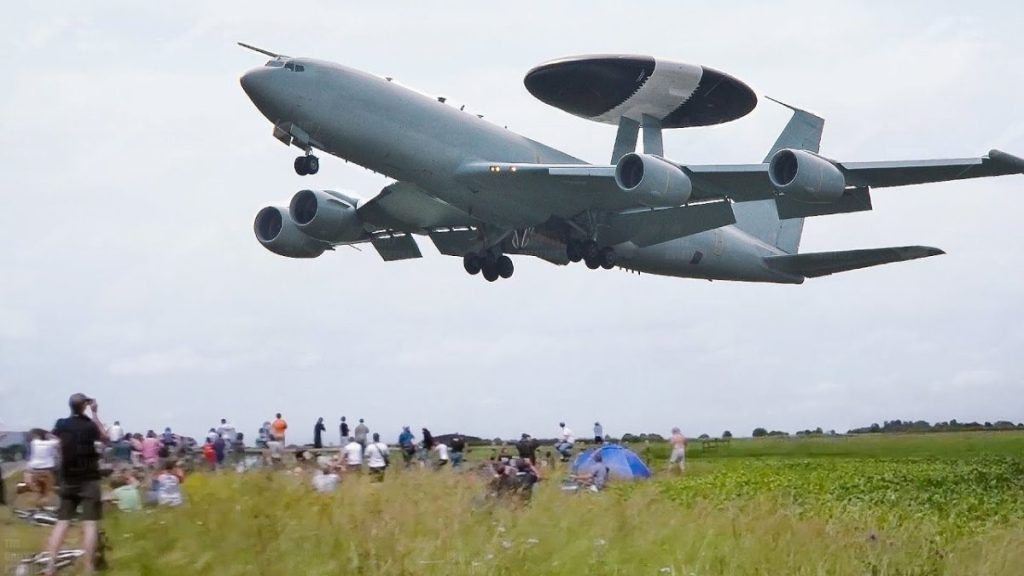
Flight data from December shows that a contractor-operated aircraft typically departs from Ghana, flies across Nigerian airspace, and returns to Accra, a known hub for U.S. military logistics in Africa. The operator has been identified as Mississippi-based Tenax Aerospace, a special-mission aircraft provider that works closely with the U.S. military. The company did not respond to requests for comment.
Analysts say the operation reflects a broader U.S. effort to rebuild intelligence capabilities in West Africa after Niger ordered America forces to leave a major air base last year and turned to Russia for security assistance. "In recent weeks we've seen resumption of intelligence and surveillance flights in Nigeria," said Liam Karr, Africa team lead at the America Enterprise Institute's Critical Threats Project.
A former U.S. official told Reuters the aircraft was among several assets moved to Ghana in November. The missions reportedly include efforts to track a U.S. pilot kidnapped in neightbouring Niger and to gather intelligence on militant groups operating in Nigeria, including Boko Haram and its splinter faction, Islamic State West Africa Province. A serving U.S. official confirmed the flights but declined to provide details due to diplomatic sensitivity.
The surveillance flights coincide with sharp rhetoric from U.S. President Donald Trump, who in November threatened military intervention if Nigeria failed to stop violence targeting Christian communities. Trump accused "radical Islamists" of the "mass slaughter" a Christians and said he would order troops into Nigeria "guns-a-blazing" if the killings continued. Nigeria has rejected claims of a Christian genocide, insisting that armed groups target both Muslims and Christians.
In October, Washington re-designated Nigeria as a "country of particular concern" for alleged violations of religious freedom, and this week added it to a list of countries facing partial U.S. travel restrictions. Trump has also asked the Defense Department to prepare for possible "fast" military action in Nigeria. The Pentagon said it held productive meetings with Nigerian officials but declined to discuss intelligence matters.
Nigerian President Bola Tinubu last month declared a security emergency and ordered mass recruitment into the army and police following deadly attacks and the abduction of more than 300 schoolchildren in the north. Nigerian officials maintain the crisis is complex and not driven solely by religion, though they have agreed to work with the U.S. to bolster counter-terrorism efforts.
A Nigerian security source said Abuja and Washington agreed during a November 20 meeting between National Security Adviser Nuhu Ribadu and U.S. Defense Secretary Pete Hegseth to deploy air assets for intelligence gathering. After that meeting, Hegseth said the U.S. would work "aggressively" with Nigeria to end the alleged "persecution of Christians by jihadist terrorists."
U.S. Congressman Riley Moore later said the two countries were close to a "strategic security framework" to tackle terrorism, following his fact-finding visit to Nigeria. Details of the framework have not been made public, and Nigerian and Ghanaian defense officials did not respond to requests for comment.