


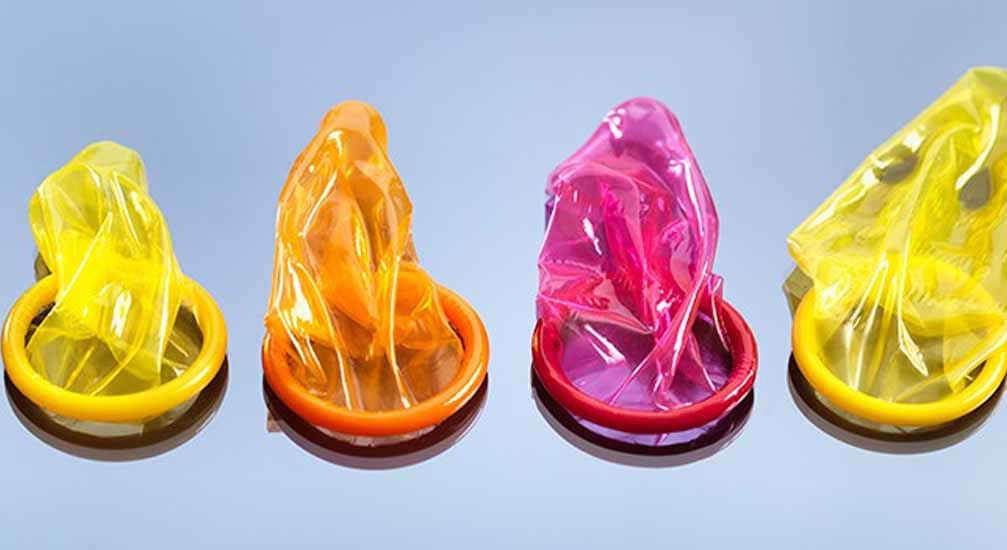
Preventive healthcare took centre state on Tuesday as the AIDS Healthcare Foundation Nigeria (AHF Nigeria) concluded plans to mark the 2026 International Condom Day (ICD) with the message, "Just Use It!", placing condoms back in focus as a powerful and cost-effective tool in preventing HIV and other sexually transmitted infections (STIs). The 2026 celebration will hold in Awka, Anambra State, and at the Faculty of Media and Communications Study, University of Abuja, blending entertainment, creativity and health education, Organisers say the events will feature free condom distribution and aim to promote sexual health as accessible, stigma-free and empowering.
According to AHF Nigeria, the initiative comes amid rising global STI rates, particularly syphilis, and concerns that dwindling international funding could undermine prevention efforts. Health advocates warn that without renewed commitment to prevention, HIV infections could surge.
In a statement, the organisation said the ICD activities would include the free distribution of AHF-branded condoms, Love and Icon, alongside condom awareness campaigns, educational outreaches and complimentary HIV testing services.
Activities will begin on February 12 in Awka, where AHF and its partners plan a road walk to distribute free condoms, provide condom education and offer free HIV testing to members of the public.
The following day in Abuja, students at the University of Abuja will participate in a prevention symposium designed to address the rising rate of STIs and curb new HIV infections. The AHF Abuja Wellness Centre will also provide free STI screening during the event.
Martin Matabishi, AHF Africa Bureau Chief, underscored the urgency of prevention efforts. “While HIV and STI burdens remain high across the continent, particularly syphilis and congenital syphilis, Africa is forced to do more with less, making prevention more important than ever,” he said.
He added: “Condoms are cheap, effective, and proven, yet too often people can’t get them or face stigma for using them. With donor funding shrinking, governments must step up domestic health financing and remove barriers to access, which helps ensure condoms are freely and widely available. Cutting prevention now only leads to more infections, higher costs, and lives lost later.”
Echey Ijezie, AHF Nigeria Country Programme Director, reiterated the campaign’s core message. “We’re reminding everyone that using condoms is the best way and most cost-effective method to prevent HIV, other STIs, and unplanned pregnancies,” he said.
Launched in 2009 by the global non-profit AIDS Healthcare Foundation, International Condom Day is observed annually on February 13 to promote condoms as a leading method for preventing HIV, other STIs and unplanned pregnancies. The foundation currently provides medical care and advocacy services to more than 2.8 million people across 50 countries worldwide.