

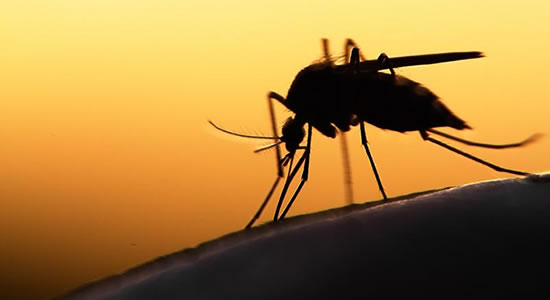
As Africa commemorates World Malaria Day 2026, new data underscores the scale of the continent’s malaria burden, with the disease continuing to exact a heavy toll despite decades of intervention. The latest estimates show that in 2024, Africa recorded about 270.8 million cases and nearly 600,000 deaths, accounting for the overwhelming majority of global infections and fatalities.
Children under the age of five and pregnant women remain the most vulnerable groups, highlighting persistent inequalities in exposure and access to care. Health experts warn that malaria is not only a medical issue but also a major impediment to economic growth, undermining productivity, deepening poverty, and slowing progress toward continental development goals.
Over the past two decades, interventions such as insecticide-treated nets, indoor spraying, rapid diagnostics, and effective drug therapies have saved millions of lives. Several African Union member states have even achieved malaria-free certification, while others have reduced transmission to minimal levels through strong surveillance and sustained political commitment.
These successes, analysts say, demonstrate that malaria outcomes are not dictated by geography alone but by leadership, quality of implementation, and investment. However, progress remains uneven and fragile, with recent reports indicating a resurgence of cases in some regions.
The evolving epidemiology of malaria presents new challenges. Resistance to artemisinin-based treatments has emerged in parts of Africa, while insecticide resistance continues to weaken vector control tools. At the same time, climate change is altering mosquito habitats and extending transmission seasons, compounding the risk of outbreaks.
Experts also point to the interaction of these factors with humanitarian crises, population displacement, and persistent funding gaps, warning that malaria is becoming increasingly complex to manage. This shift is exposing weaknesses in health systems, particularly in the delivery of prevention, diagnosis, and treatment services.
Against this backdrop, the Africa Centres for Disease Control and Prevention has framed malaria control as a critical test of the continent’s Health Security and Sovereignty agenda. The agency argues that eliminating malaria is inseparable from building resilient health systems, strengthening surveillance, and ensuring reliable access to medical commodities.
To accelerate progress toward the 2030 elimination target, Africa CDC has outlined key priorities, including mobilizing political commitment, strengthening data-driven decision-making, improving coordination across countries, expanding community health systems, and boosting local manufacturing of malaria commodities.
“Malaria elimination by 2030 cannot be achieved through aspiration alone,” the agency stated, emphasizing the need for “African political ownership, evidence-informed decisions, stronger community-based systems, coordinated efforts, and investments in local manufacturing and ensuring access to malaria commodities.” It added that “malaria has taken enough from Africa. It is time for Africa to end malaria.”