

A new study published in the Journal of the American Heart Association on Wednesday, has concluded that breastfeeding is not only healthy for babies, but may also reduce a mother’s risk of having a heart attack or stroke later in life.

A woman dies from cervical cancer every two minutes, according to UNICEF, underscoring why the disease remains the fourth most common cancer among women globally. Cervical cancer develops when abnormal cells grow in the cervix, the lower, narrow part of the uterus that connects to the vagina, and can be life-threatening if not detected early. January, marked as Cervical Cancer Awareness Month, aims to educate women and healthcare workers about prevention and early detection. While awareness around symptoms and screening is improving, experts say a crucial aspect often overlooked is the link between cervical health and fertility. To shed light on this, we spoke to Dr Amreen Singh, Consultant, Infertility and IVF at Yatharth Super Speciality Hospital, Noida Extension.

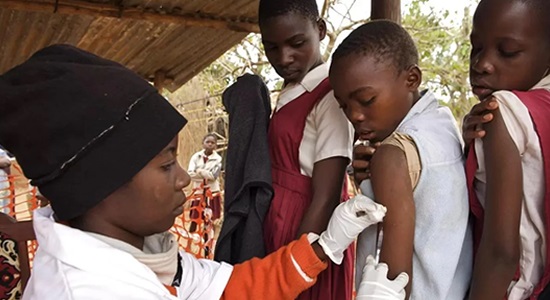
The World Health Organization (WHO) says that although the COVID-19 pandemic has officially ended and the virus no longer causes the level of disruption seen during the global health emergency, it continues to hospitalize and kill people, particularly those who are not up to date with vaccination. Studies led by the WHO Regional Office for Europe found that people who received timely booster doses were significantly less likely to develop severe illness, require intensive care or die from COVID-19. The findings were drawn from data collected by the European Severe Acute Respiratory Infection Vaccine Effectiveness (EuroSAVE) network, which monitors hospitalised respiratory infections across parts of Europe, the Balkans, the South Caucasus, and Central Asia.