



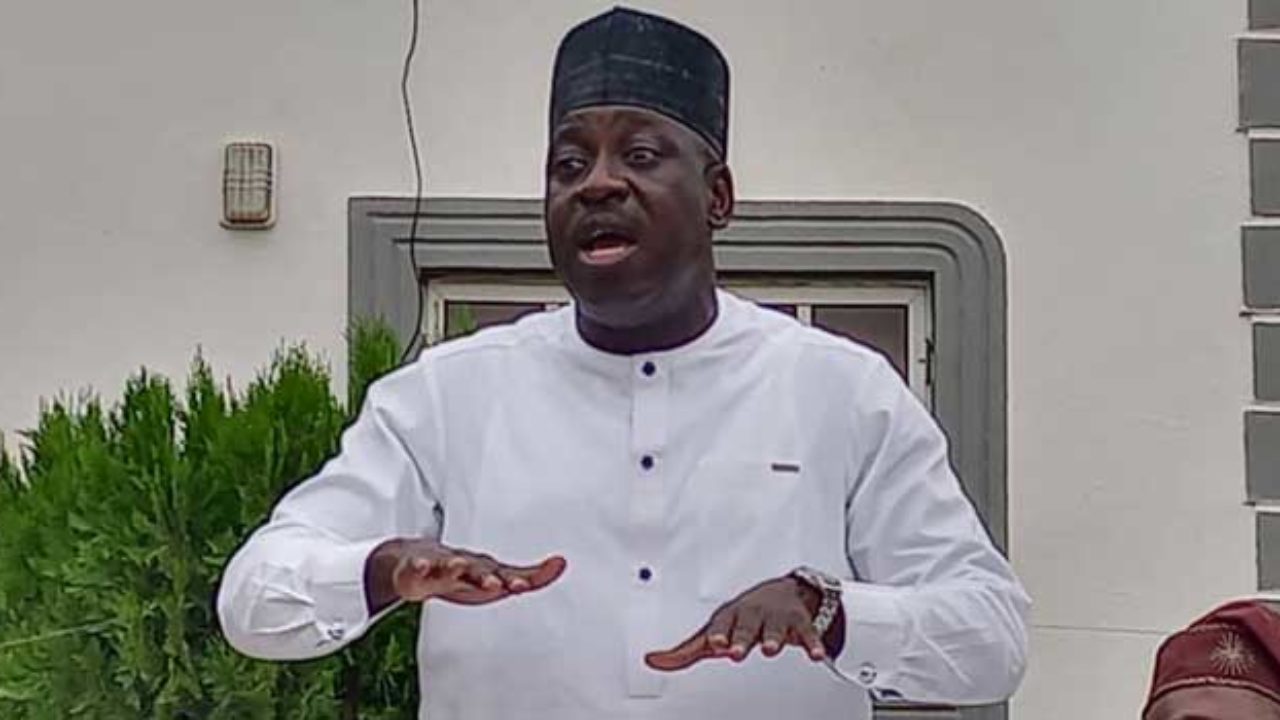
The African Democratic Congress (ADC) has described the exit of Peter Obi and Rabiu Kwankwaso from its platform as both a setback and a moment of relief, insisting the development does not threaten its ambitions for the 2027 general elections. Speaking on Monday during an appearance on Arise News’ Prime Time programme, the party’s National Publicity Secretary, Bolaji Abdullahi, said while the departures were significant, they were far from devastating.
Obi, who was the Labour Party’s presidential candidate in 2023, and Kwankwaso, the New Nigeria Peoples Party’s flag bearer in the same election, had temporarily aligned with the ADC as part of efforts to build a broad opposition coalition ahead of 2027.
However, both politicians have now moved to the Nigeria Democratic Congress (NDC), where they are advocating an end to litigation-driven politics as they reposition for the next election cycle.
Acknowledging the impact of their exit, Abdullahi said, “Is it a setback? The answer is yes. Is it a fatal blow? The answer is no, because the objectives are very clear. They are still the same.”
He dismissed suggestions that the ADC’s prospects had been severely weakened by the collapse of the coalition talks, noting that past electoral performance does not automatically translate into future electoral success.
Abdullahi also admitted personal disappointment over the development, stating, “Personally, I’m not happy they left. And I cannot tell you why, because I have my own sentiments. I’m not happy they left.”
Despite this, he said the party had gained some breathing space following their departure, adding, “In a way, it’s a bit of relief. Now we can focus on really doing what we need to do without being under the pressure cooker that they were trying to put us in. I am not disheartened. No, no, not at all.”
The ADC spokesman further stressed that the party would not adopt a confrontational stance toward the former allies, saying, “We don’t think they are our enemies. We are not going to go into a dogfight with them.”
Explaining his decision to leave, Obi cited persistent internal crises and what he described as orchestrated litigation aimed at sidelining him from the political process. He maintained that his move was driven by principle rather than personal ambition, warning that democracy must not be undermined through internal sabotage or weakened opposition structures.

