



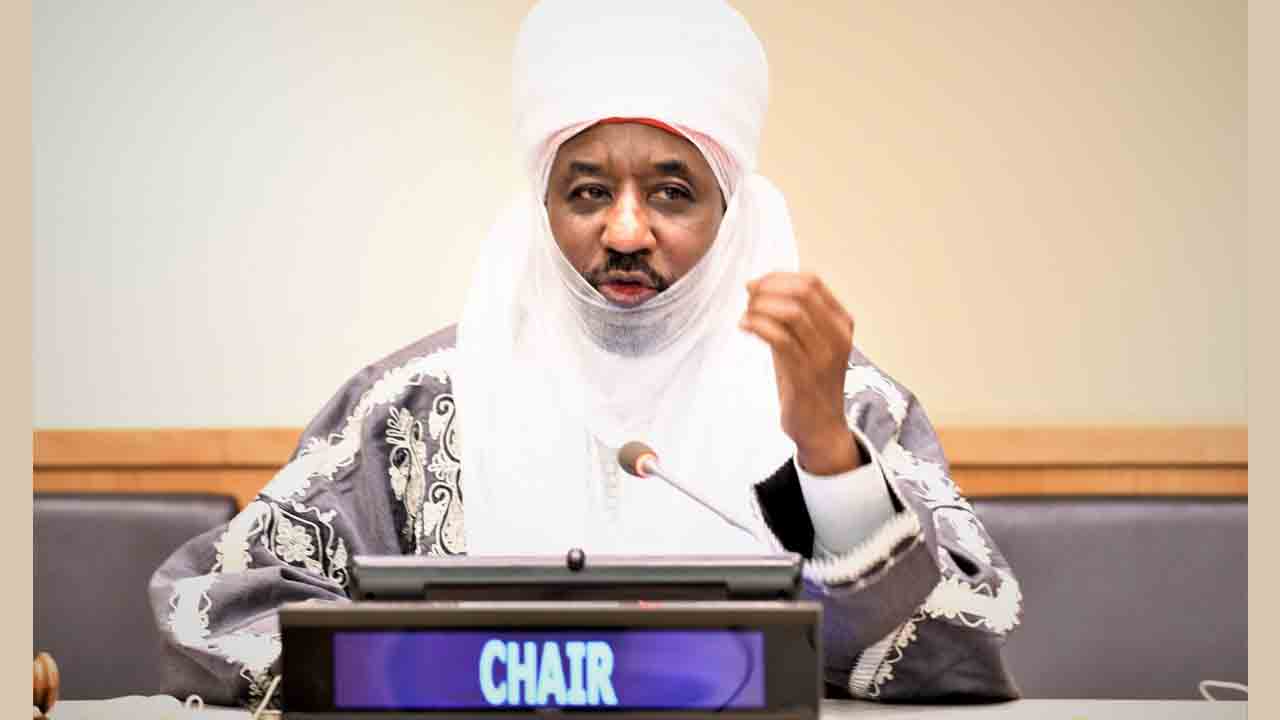
The Emir of Kano, Muhammadu Sanusi II, has called on Nigerian leaders to prioritise economic policies that deliver tangible improvements in the lives of citizens, stressing that the true measure of any policy lies in its impact on people's welfare. Speaking at a conference in Kano on Thursday, the monarch said the country must adopt economic strategies that tackle poverty, improve living standards and promote inclusive growth. He noted that the gathering was particularly significant given Nigeria's prevailing economic and political realities.
Represented at the event by the Danmadamin Kano and Professor of Economics at Bayero University, Kano, Abubakar Aliyu Sanusi, the emir said policymakers must ensure that their decisions translate into better living conditions for ordinary Nigerians.
He said, “Economic policies should be assessed based on their impact on the welfare of citizens. Any economic policy that does not improve the welfare of the people is inherently ineffective.”
The former Central Bank governor also urged those in authority to draw lessons from history by strengthening institutions and upholding justice, arguing that sustainable national development cannot be achieved without confronting longstanding challenges.
According to him, insecurity, corruption, widespread poverty and inadequate infrastructure remain among the country's most pressing problems. He further advised political leaders to put aside personal interests and embrace governance that prioritises public service.
Speaking on leadership and governance, Sanusi said, “Power-sharing should not only be about geographical rotation but also about ensuring that credible, competent and compassionate leaders emerge to serve the people.”
He also appealed to Nigerians across religious, ethnic and political divides to foster unity, tolerance and collective responsibility in the task of nation-building. While acknowledging the progress Nigeria has recorded since gaining independence, the emir noted that the country continues to grapple with political instability, ethnic and religious divisions, insecurity and economic hardship.