


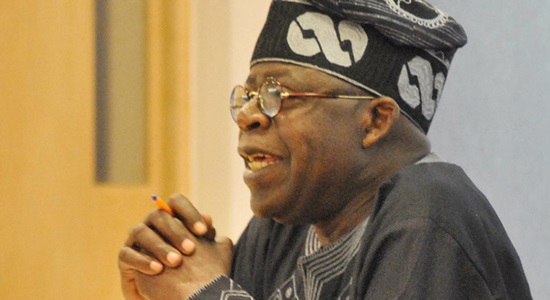
President Bola Tinubu on Tuesday painted a grim picture of Nigeria's security situation, admitting that terrorism and banditry were giving him and many Nigerians sleepless nights, even as he expressed confidence that the country would overcome the threats. The president, however, insisted that insecurity was unacceptable and alien to Nigeria's values, vowing that his administration would defeat terrorism and restore peace to affected communities. Tinubu spoke while declaring open the Second National Economic Council (NEC) Conference at the State House Conference Centre, Abuja where he assured Nigerians of renewed efforts to strengthen the nation's security architecture.
“I promise you here that I’ll play my part. Seven zones of mechanisation are coming. I promise Nigerians that this will be delivered, and I am here again to further find ways to strengthen our security forces and defeat terrorism,” he said.
“That, I promise you, is what has kept all of us sleepless at night, but I assure you we will win with determination and resilience. We will overcome this unacceptable terrorism and banditry. It’s not part of our culture. It’s foreign to us,” the president added.
Describing insecurity as a major drag on economic growth, Tinubu called for collective action to address the challenge and commended the governors of Borno, Katsina and Kaduna states, among others, for doing “so much to defend our freedom, liberty and our commonwealth”.
Welcoming governors, ministers, lawmakers, development partners and private sector leaders to the two-day conference themed, “Delivering Inclusive Growth and Sustainable National Development: The Renewed Hope National Development Plan 2026–2030,” Tinubu said the gathering reflected a shared commitment to national progress and policy coordination.
“I am pleased to address the second edition of the National Economic Council Conference at a critical moment in Nigeria’s development journey. NEC remains a cornerstone of fiscal federalism and economic governance in our country,” he said, praising the council chaired by Vice President Kashim Shettima.
Highlighting achievements of his administration, Tinubu said ongoing economic reforms had stabilised the economy and restored confidence, noting that “the monetary policy that we have embarked on since the reforms has yielded positive results and gained recognition around the world”.
He also commended the Central Bank of Nigeria Governor, Yemi Cardoso, for restoring confidence in monetary policy, adding that improved federal allocations had enhanced states’ capacity to pay salaries, invest in infrastructure and deliver social services.
The president said infrastructure development in transportation, power, digital connectivity, housing and irrigation had been prioritised, alongside expanded social investment and human capital programmes targeting vulnerable households, youth, women and small businesses.
On the Renewed Hope National Development Plan 2026–2030, Tinubu said it marked the next phase of Nigeria’s journey, prioritising diversification, productivity, human capital development, private sector-led growth and climate resilience, stressing that its success depended on effective implementation at subnational levels.
In his keynote address, Vice President Kashim Shettima said inclusive growth must translate into improved daily lives, declaring, “Our mission is incomplete if a child born in Lafia does not have the same chance to thrive as one born in Lagos,” and urging participants to move from discussions to decisive, impactful action for all Nigerians.