


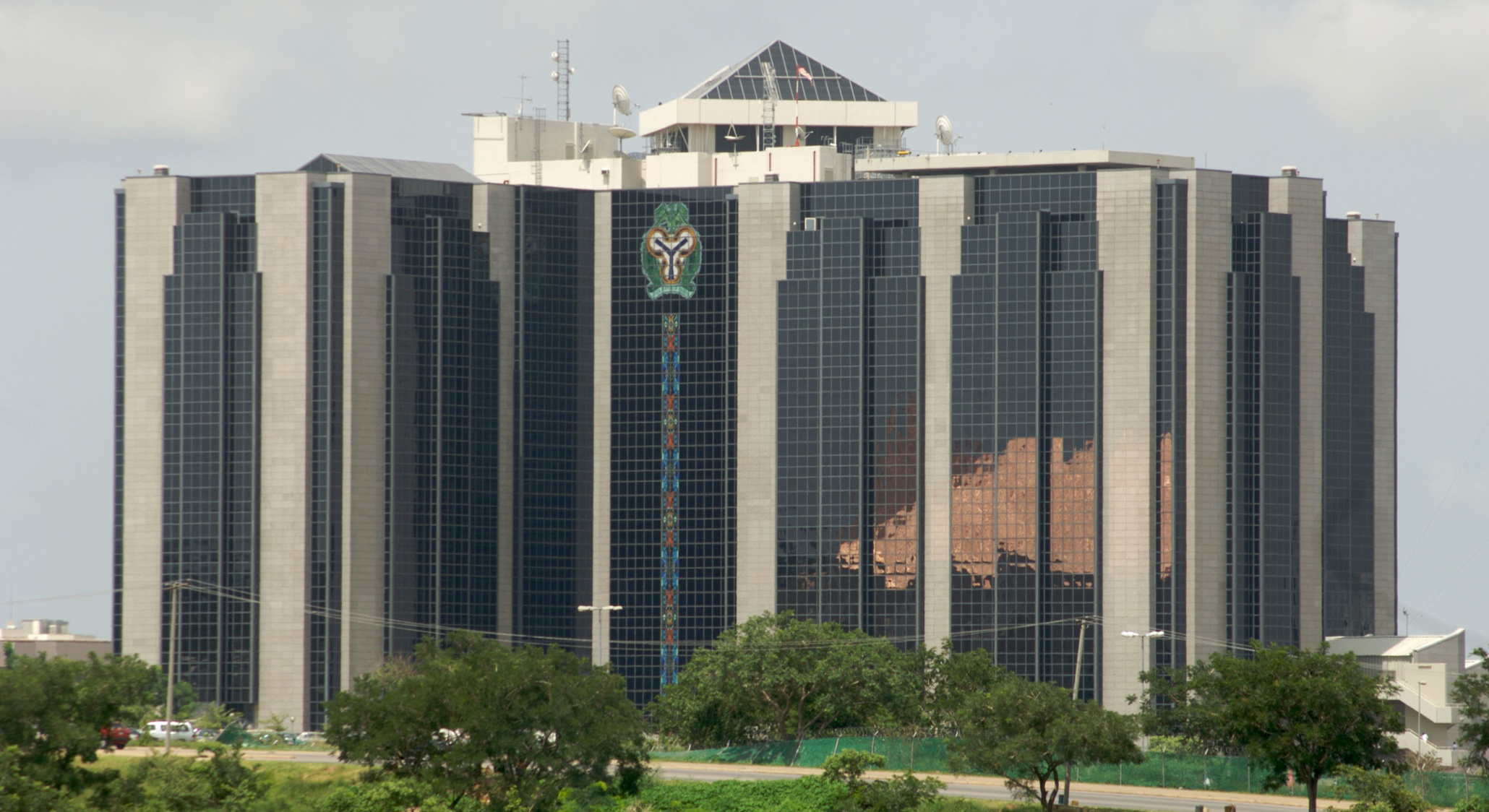
The Central Bank of Nigeria (CBN) has announced a major shift affecting diaspora remittance, mandating that all such inflows be paid to beneficiaries strictly in naira. The directive, which takes effect from May 1, ends the practice of collecting remittances in foreign currencies such as the dollar. To implement the new policy, the apex bank has instructed all International Money Transfer Operators (IMTOs) to open naira settlement accounts within Nigeria. These accounts will serve as the exclusive channels through which remittance transactions are processed.
Under the new framework, IMTOs are required to route all remittance inflows through their designated naira settlement accounts. The move is part of broader efforts by the regulator to standardise and monitor foreign exchange flows more effectively.
According to the CBN, the policy is designed to deepen diaspora remittances while enhancing transparency, traceability, and oversight within the foreign exchange market. The directive applies to all aspects of international money transfers, including payments to beneficiaries and inter-operator settlements.
In a circular signed by Musa Nakorji, Director of the Trade and Exchange Department, the apex bank stated: “All IMTOs are hereby directed to open naira settlement accounts and ensure that all transactions are routed strictly through their designated settlement accounts, maintained with authorised dealer banks (ADBs) in Nigeria.”
The bank further emphasised that all transactions must be processed exclusively through these designated accounts. IMTOs are permitted to either designate existing accounts or create new ones, and may operate multiple settlement accounts across different authorised dealer banks.
To ensure regulatory oversight, IMTOs are also required to notify the CBN of all their designated settlement accounts and provide updates whenever changes occur. This is aimed at strengthening monitoring and compliance mechanisms within the sector.
As part of measures to improve market efficiency, authorised dealer banks have been permitted to process foreign currency transfers from IMTO settlement accounts to other authorised dealers and approved participants, including bureau de change (BDC) operators.
On pricing, the CBN directed IMTOs to align their rates with real-time market data from Bloomberg’s BMatch platform. It stated: “IMTOs shall observe real-time market prices from the Bloomberg BMatch and utilise this as guidance for pricing transactions with their customers and authorised dealers”.
The regulator noted that this approach would enhance price discovery, reduce information asymmetry, and boost participation in the official foreign exchange market. It also reiterated the importance of compliance with anti-money laundering and counter-terrorism financing regulations.
The directive builds on earlier reforms introduced on January 31, 2024, which updated the licensing and operational guidelines for IMTOs. The CBN stressed that operators must maintain accurate records for audit and regulatory review, as part of efforts to safeguard the integrity of Nigeria’s financial system and strengthen foreign exchange inflows from the diaspora.