

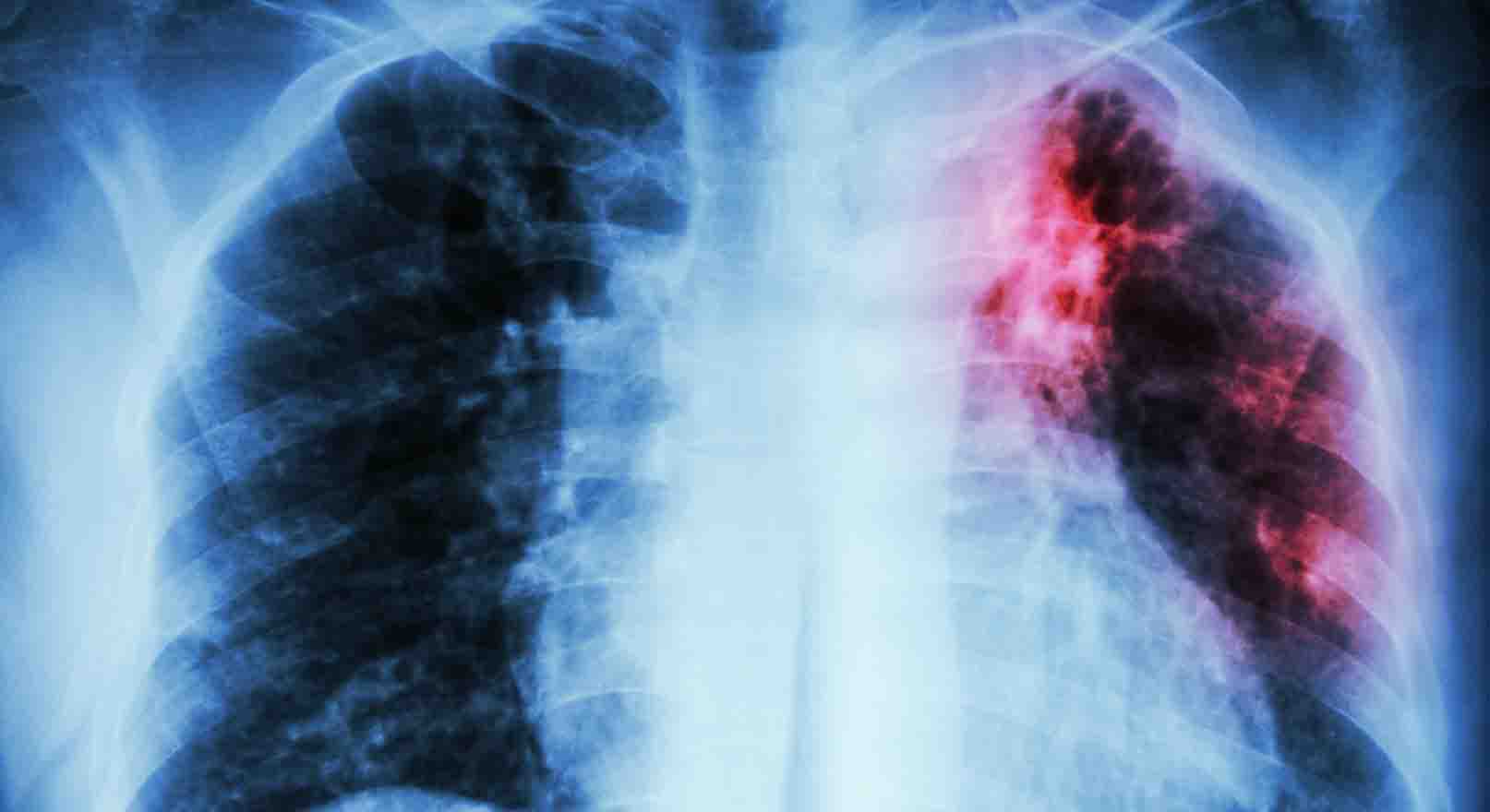
The Nigerian Thoracic Society (NTS) has called for urgent, coordinated action to eliminate tuberculosis in Nigeria, warning that the country remains one of the world's highest burden nations. It noted that Nigeria currently ranks first in Africa and sixth globally in TB cases, underscoring the scale of the public health challenge.
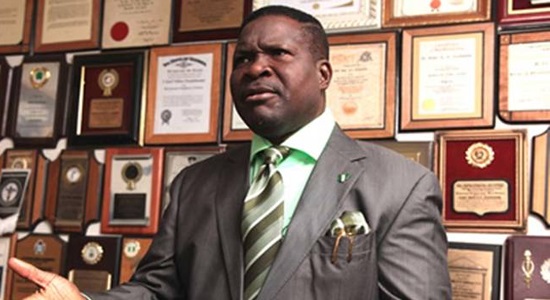
In a statement marking World Tuberculosis Day 2026, the society's president, Prof. Musa Babashani, disclosed that Nigeria recorded an estimated 510,000 tuberculosis cases in 2025. He added that the incidence rate stood at 219 cases per 100,000 population.
Babashani emphasised that tuberculosis remains a leading cause of death among infectious diseases in Nigeria. He attributed the burden to socio-economic factors such as overcrowding, malnutrition, and the growing threat of drug-resistant TB.
He further highlighted the persistent issue of “missing cases”, individuals who are infected but remain undiagnosed, noting that they continue to fuel transmission within communities.
The NTS, he said, is aligning with the World Health Organization and the Federal Ministry of Health and Social Welfare to reinforce calls for urgent action. This is under the global theme, Yes! We Can End TB, and the national sub-theme, Led by Government, Powered by Communities.
Reflecting on progress, Babashani noted improvements in treatment outcomes and case notification systems, aided by digital tools such as the MATS app. He cautioned, however, that progress remains insufficient, stating, “We are at a pivotal moment in our National Strategic Plan. We have seen increased treatment success rates for new cases, and our notification systems have improved through digital tools like the MATS app. However, victory is not yet ours.”
Looking ahead, the NTS identified three priority areas, beginning with scaling up innovation. Babashani called for the rapid expansion of near point-of-care molecular diagnostic tools, including GeneXpert machines, to enable early and accurate detection across the country.
He also advocated decentralised, people-centred care, urging authorities to extend TB services beyond hospitals into communities. According to him, this approach would help reduce stigma and ensure broader access to treatment.
On funding, the NTS president stressed the need for stronger domestic resource mobilisation. He warned that gaps in the national TB budget persist and called for increased government funding alongside greater private sector investment to reduce reliance on external donors.
Babashani urged Nigerians to seek immediate testing for any cough lasting more than two weeks, noting that treatment remains free at government-approved facilities. He also called on healthcare providers to integrate TB screening into routine primary care and pressed the government to meet its commitment to boost domestic TB funding by the end of 2026, adding, “Yes! We Can End TB, but only if we act with the urgency this epidemic demands.”