

Economic experts have identified key pathways for Nigeria to achieve its ambitious $1 trillion economy target, stressing the need for structural reforms and practical strategies. The discussions took place at the Garden City Premier Business School’s 2026 First CEO Quarterly Breakfast Meeting, where stakeholders examined drivers of sustainable growth under the administration of President Bola Ahmed Tinubu.
Participants highlighted small and medium enterprises (SMEs), value addition, and technology adoption as central pillars for economic expansion. However, they warned that without reliable electricity, coherent industrial policies, and stronger private sector involvement, the country’s economic aspirations could face serious setbacks.
Speaking during a panel session, financial expert Joseph Eyakephovwan urged Nigeria to prioritise value chains over raw material exports. “Inside crude oil alone, we can get a lot of byproducts,” he said, questioning the continued under-utilisation of resources. He added, “Why do we have forests that harbour criminals instead of agric estates filled with cash crops and food crops?” and stressed that “There must be value-addition whether in agriculture or energy.”
Also contributing, financial consultant Emeka Obi underscored the importance of SMEs and digital transformation. “SMEs are the real sector that will push the economy to $1 trillion. IT transformation is key to wealth creation, and public-private partnerships are important,” he said, reinforcing calls for increased collaboration between government and private investors.
In his opening remarks, economist and President of the school, Silver Opuala-Charles, cautioned against policy inertia. “Nigeria’s aspiration to build a $1 trillion economy must go beyond empty promises and focus on actionable strategies that drive real economic growth,” he said, urging stakeholders to move from rhetoric to implementation.
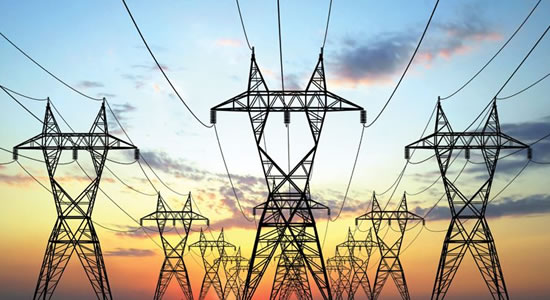
Delivering the keynote address, Mallam Idris Shuaibu identified structural bottlenecks, particularly in power and manufacturing, as major constraints. “Electricity is the most important. The kind of money this country has sunk into the power sector without result makes my heart bleed,” he said. He further criticised Nigeria’s economic model, declaring: “Nigeria is a hopeless country where crude oil is produced and fuel is imported,” and called for a shift towards local processing and industrialisation.
Shuaibu and other participants concluded that achieving the $1 trillion target would depend on deliberate reforms, improved infrastructure, and strict quality standards. “If we must achieve a $1 trillion economy, we must be serious with quality control,” he said, while emphasising that sustained public-private collaboration and investment in key sectors such as agriculture, healthcare, digitalisation, and energy remain critical to unlocking Nigeria’s economic potential.