


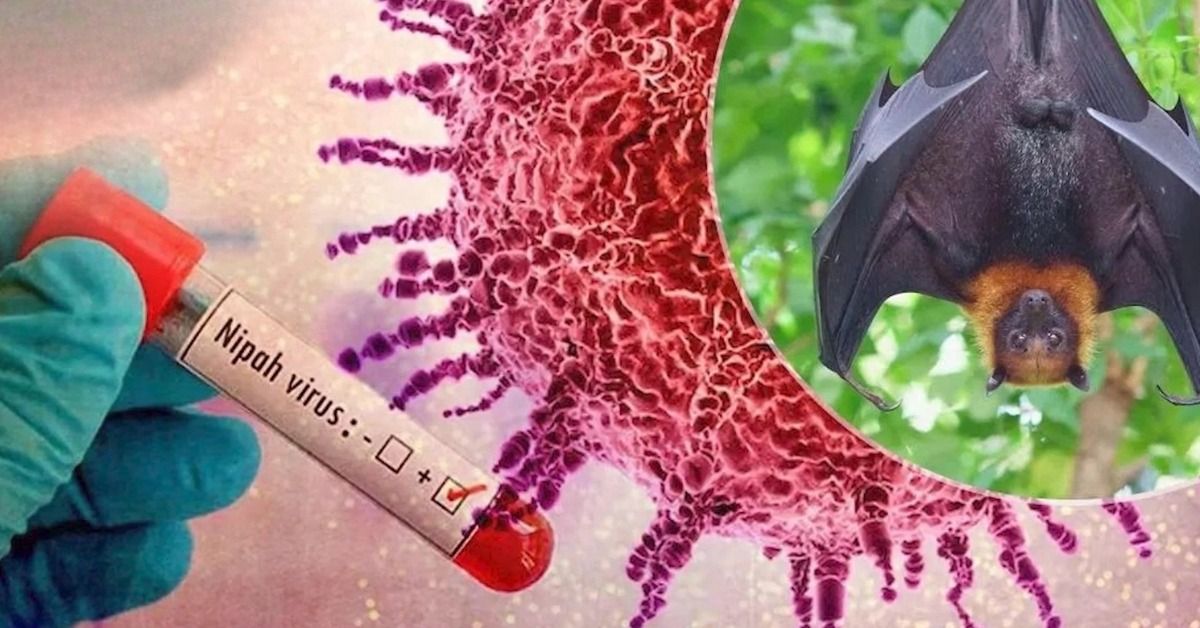
Asia has stepped up health surveillance after India confirmed new cases of the deadly Nipah virus, prompting neighbouring countries to tighten border screening and issue public advisories despite having no reported infections of their own. Vietnam's Ministry of Health has urged citizens returning from outbreak-affected regions to monitor their health for 14 days, stressing that the country remains free of Nipah cases but is adopting heightened vigilance due to the virus's high fatality rate and potential for human-to-human transmission.
According to Indian surveillance data, five suspected Nipah infections were reported between December 27, 2025, and January 26, 2026, with two cases laboratory-confirmed at a hospital in West Bengal. Local authorities have traced and isolated nearly 100 close contacts in an effort to contain the spread.
The outbreak has also affected healthcare workers, with five medical staff in West Bengal infected earlier this month. One remains in a critical condition, while about 110 people who had contact with them have been quarantined, officials said.
Although no cases have been recorded in Vietnam as of January 26, health authorities have strengthened disease monitoring at border checkpoints, medical facilities and communities nationwide. Non-essential travel to outbreak areas has been discouraged.
Vietnamese officials advised returning travellers to self-monitor for symptoms such as headache, muscle pain, nausea, sore throat, dizziness, drowsiness, confusion or seizures, and to seek immediate medical care while avoiding contact with others if symptoms develop.
In Ho Chi Minh City, the Center for Disease Control (HCDC) said it is closely tracking global developments and has enhanced screening at international entry points, particularly for arrivals from high-risk regions. Symptomatic travellers are being isolated and evaluated.
HCDC warned that there is no vaccine or specific treatment for Nipah, making prevention critical. Authorities advised frequent handwashing, avoiding contact with fruit bats or sick pigs, steering clear of bat habitats, and not consuming raw or contaminated fruit or plant sap such as fresh date palm juice.
The virus has an incubation period of four to 14 days and may begin with fever, headache, cough and sore throat. In severe cases, it can rapidly progress to encephalitis, causing drowsiness, confusion, mental disturbances and coma within 24 to 48 hours.
Nipah primarily spreads from animals to humans, particularly through bats and pigs or contaminated food, but can also transmit between people through close contact with bodily fluids, making early detection and isolation vital.
The World Health Organization has listed Nipah among its top ten priority diseases, alongside Covid-19 and Zika, due to its epidemic potential. The virus carries a mortality rate of 40% to 75%, and survivors may suffer long-term complications such as seizures or personality changes.
Elsewhere in Asia, Thailand has begun screening passengers at three airports receiving flights from West Bengal, while Nepal has introduced health checks at Kathmandu airport and land border crossings with India.
Thai authorities said they were confident about preventing an outbreak. Jurai Wongswasdi, a spokeswoman for the Department for Disease Control, said officials are “fairly confident” in their safeguards, while Taiwan has proposed listing Nipah as a “Category 5 disease”, requiring immediate reporting and special control measures should a case emerge.