


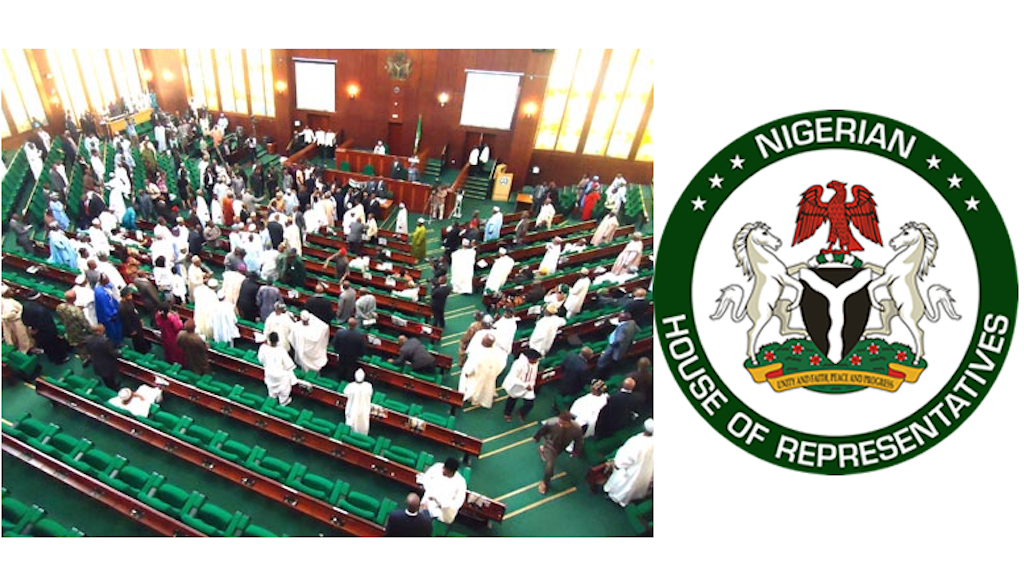
In addition to establishing stringent regulations on voter accreditation, result transmission, and sanctions for electoral officers, the House of Representatives has quadrupled or tripled campaign expenditure caps for candidates. A substantial rise in the campaign expenditure caps for candidates running for public office has been approved by the House of Representatives. In order to improve Nigeria's electoral process's legitimacy, openness, and integrity, the legislators have made other changes to the Electoral Act 2022.
During a clause-by-clause review of the House Committee on Electoral Matters report on Thursday, the resolutions were approved. Benjamin Kalu, the Deputy Speaker, presided over the plenary session.
The approved amendments increased the maximum amount that presidential contenders might spend on their campaigns from ₦5 billion to ₦10 billion. Candidates for governor will now be able to spend up to ₦3 billion instead of the previous ₦1 billion cap.
Candidates for the House of Representatives can now spend up to ₦250 million, up from ₦70 million, while the spending maximum for senatorial campaigns was raised from ₦100 million to ₦500 million. Additionally, the House increased state House of Assembly candidates' campaign expenditure caps from ₦30 million to ₦100 million.
The cap was also raised from ₦30 million to ₦100 million for local government chairmanship elections, while council candidates will now be able to spend up to ₦10 million instead of the previous ₦5 million. In an effort to prevent undue influence and excessive monetization of the election process, lawmakers also passed a clause that limits individual or corporate donations to candidates to ₦500 million.
According to reports, the House began discussing the proposed electoral reforms on Wednesday, reviewing several clauses of the current legislation and proposing changes aimed at addressing the gaps revealed by the recent elections.
Beyond campaign funding, the House approved significant changes to the Electoral Act 2022, including clauses requiring the real-time electronic transmission of election results and explicitly recognizing the Bimodal Voter Accreditation System (BVAS) as the main instrument for voter accreditation.
BVAS
During their meeting on Thursday, MPs passed a provision mandating that polling place presiding officers utilize BVAS or any other technology recommended by the Independent National Electoral Commission (INEC) to confirm and authenticate voter information.
The clause also stipulates that voting at the impacted polling site must be canceled if the accreditation technology malfunctions and a substitute device is not installed.
According to the amendment, INEC must hold a new election within 24 hours in certain situations if the commission finds that the failure would significantly impact the poll's outcome in the relevant constituency.
A clause requiring the electronic transmission of election results was also passed by the House. As soon as voting and counting are complete, the amendment requires presiding officers to electronically send the results from each polling place to INEC's Result Viewing Portal (IReV).
The presiding officer "shall electronically transmit the results from each polling unit to the IReV portal in real time, and such transmission shall be done after the prescribed Form EC8A has been signed and stamped by the presiding officer and, where available, countersigned by candidates or polling unit agents," according to the clause.
Lawmakers amended Section 60(3) of the Act to require INEC to transmit polling unit results to the IReV portal in real-time, in addition to the actual collation of results, to further enhance transparency. The amendment imposes harsher sanctions on election officials who willfully break rules on the proclamation, transmission, or counting of results.
Any presiding officer found guilty of such offenses under the amended clause faces a minimum fine of ₦500,000, a minimum six-month jail sentence, or both.
In order to fix persistent flaws in Nigeria's voting system, the House has approved a number of further amendments. One of the amendments, which lawmakers claimed would greatly enhance planning and logistics, mandates that monies for the conduct of general elections be released to INEC at least one year before polling day.
Multiple voter registration is now punishable by a minimum fine of ₦100,000, a year in jail, or both. The period for political parties to submit the names of their candidates to INEC was also extended by the House, moving it from 180 to 210 days before an election.
The use of electronically generated voter identification for accreditation and voting is permitted by another noteworthy amendment. This includes voter cards that can be downloaded and have unique QR codes implanted in them, which lawmakers claimed would modernize the accreditation procedure and lessen reliance on traditional voter cards.
The House described the improvements as part of a larger effort to reduce electoral misconduct, fortify the legal framework, and rebuild public trust in Nigeria's democratic process before adopting the modifications as a working tool to direct future elections.