


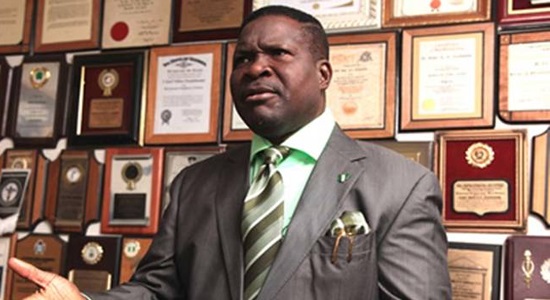

Afam Osigwe, SAN, the president of the Nigerian Bar Association, has expressed worry over the purported abuse of the Cybercrimes Act to stifle free speech in Nigeria, calling it a willful suppression of expression disguised as a fight against defamation and cybercrime. Osigwe criticized what he called the "weaponization of the law against critics, journalists, activists, and regular citizens who voice dissent online or offline" in an interview on Wednesday's Prime Time show on ARISE Television.
He claimed that even in situations when such offenses are often subject to bail, people are being accused, looked at, and imprisoned for alleged cybercrimes or criminal defamation.
Osigwe claims that the judiciary is involved in this trend.
Under the pretense of prosecuting individuals and looking into them for cybercrime and criminal defamation, Nigeria is stifling free expression.
"Judges and magistrates are increasingly acting as tools in the hands of politicians and 'big men' and refusing bail even when there is no basis for not granting bail, even when the matters are ordinarily bailable," he said.
Such measures turn the courts into "an oppressive tool," the NBA president cautioned.
"This is an abuse of the democratic arena and a violation of the right to freedom of expression.
"Because these public officials ought to be held to a higher standard of accountability, and democracy perishes if they deny citizens the ability to criticize and hold them accountable."
"There is something wrong, and the judiciary becomes a willing tool in the hands of the oppressors and thereby becomes an oppressor itself if our judges become willing tools in giving them what they want, which is to put those people out of circulation," he stated.
Osigwe made these comments amid ongoing discussions over the Cybercrimes (Prohibition, Prevention, etc.) Act.
The law, first passed in 2015 and revised in 2024, aims to combat cyberterrorism, online fraud, and other cybercrimes.
Critics counter that the Act's clauses making "cyberstalking" illegal are still ambiguously worded and are regularly abused to target activists, journalists, and other individuals for voicing their ideas or exposing wrongdoing.