


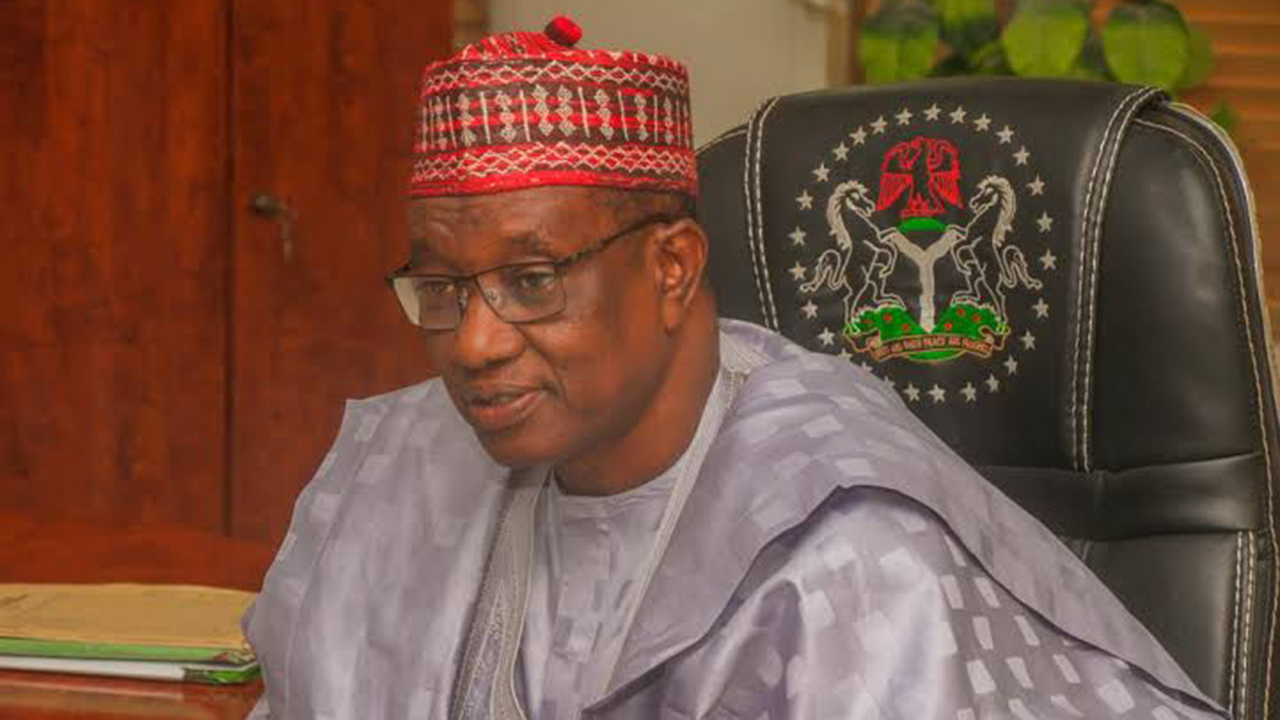
Aminu Abdussalam Gwarzo, the deputy governor of Kano State, is facing impeachment by the Kano State House of Assembly due to accusations of egregious misconduct, abuse of power, and betrayal of public confidence.
Lawan Hussaini Dala, the majority leader, formally presented the notice of impeachment at plenary, claiming that the action was compliant with Section 188 of the Federal Republic of Nigeria's 1999 Constitution (as amended).
Dala claims that the notice details several accusations related to Abdussalam's tenure as Commissioner for Local Government from 2023 to 2024, as well as alleged acts in his present role as deputy governor. He informed members that the charges focused on misappropriation of local government finances, misuse of power, and other actions deemed constitutionally impeachable.
Dala said that Abdussalam was implicated in misappropriating cash intended for council operations while supervising the management of the state's 44 local government councils. He stated that each of the 44 local government districts gave the deputy governor N1.5 million per month between June 2023 and January 2024.
The arrangement translated to N66 million per month for seven months, totaling N462 million, according to the Majority Leader. He characterized the purported payments as a grave betrayal of the public's confidence in government.
Dala further claimed that Abdussalam was paid extra between February and July 2024 under the guise of performing special assignments. He claimed that over the course of the six months, each local government council reportedly paid N3.255 million, totaling almost N726 million. He argued that the purported transactions went against the accountability and transparency standards expected of public officeholders.
The deputy governor was additionally charged with abuse of authority in connection with a different transaction in the impeachment notice. According to Dala, Abdussalam helped NovoMed Pharmaceuticals Limited receive N10 million from each of the 44 local government councils. He claimed that the N440 million in payments were reportedly made in violation of the state's budget management and procurement laws.
According to Section 188(2) of the Constitution, he said, the total accusations amount to gross misconduct.
Dala clarified that substantial constitutional infractions or major misbehavior by a public official are examples of gross misconduct. He maintained that the purported misappropriation of funds and misuse of authority constituted a basic violation of ethical and constitutional norms.
The impeachment notice was approved by 38 parliamentarians, meeting the constitutional threshold needed to start the process, the Majority Leader told the House. He asked the Speaker to make sure the deputy governor receives the notice in compliance with the law.
Members of the Assembly indicated their approval for the notice after the presentation. As required by law, the Speaker is expected to formally notify the deputy governor after acknowledging receipt of the paper.
According to constitutional rules, if the motion receives the necessary majority, the House may ask the state's Chief Judge to form an investigative panel after the notice is served.