


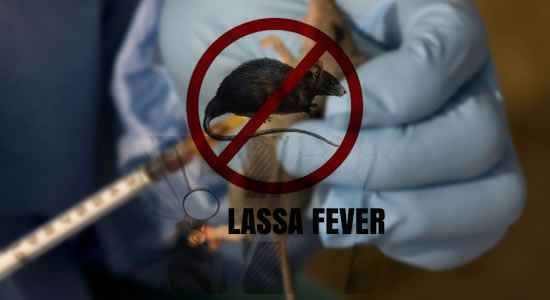
Edo State Ministry of Health has declared a Lassa Fever outbreak following a spike in confirmed cases and fatalities in the state. The Commissioner for Health, Dr Cyril Oshiomhole, announced the development in Benin City over the weekend, raising fresh concerns over the recurring viral disease. "We have recorded 29 confirmed cases of Lassa fever, with six deaths with notable increase in Etsako West and Essan West Local Government Areas," Oshiomhole said. The affected councils have emerged as hotspots in the latest wave of infections.
“Following a careful epidemiological review and risk assessment by the Edo State Ministry of Health, I hereby formally declare a Lassa Fever Outbreak in Edo State,” he added, underscoring the urgency of the situation.
The commissioner disclosed that a case manager has been appointed to coordinate the clinical management of patients, while all pillars of the State Public Health Emergency Operations Centre have been fully activated to contain the spread.
He noted that the state government had intensified preparedness measures in response to the disease’s recurring pattern, including the donation of Lassa fever response packs to the Irrua Specialist Teaching Hospital, one of the country’s leading treatment centres for the illness.
Residents were urged to adopt preventive measures such as proper food storage, maintaining clean homes and surroundings, avoiding contact with rodents and their droppings, and promptly reporting symptoms including persistent fever, sore throat, bleeding and weakness. Oshiomhole stressed that Lassa fever is preventable and that early presentation at health facilities significantly improves survival.
Nationally, the outbreak has taken a heavier toll. No fewer than 31 people have died, with over 754 suspected cases recorded across 33 local government areas in nine states within the first five weeks of 2026.
Data from the Nigeria Centre for Disease Control showed that nine health workers were among those infected, highlighting risks faced by frontline personnel amid concerns over inadequate health sector funding.
The NCDC said 92 per cent of confirmed cases were reported from five states, Bauchi, Ondo, Taraba, Edo and Plateau, while the remaining eight per cent were spread across four other states. A total of 135 cases are currently being managed at treatment centres, with at least 110 suspected cases under contact tracing and follow-up.
According to the World Health Organization, Lassa fever is an acute viral haemorrhagic illness caused by the Lassa virus, a member of the arenavirus family. The disease is primarily transmitted through exposure to food or household items contaminated by urine or faeces of infected Mastomys rats, though “Person-to-person infections and laboratory transmission can also occur, particularly in healthcare settings in the absence of adequate infection prevention and control measures,” the WHO stated.