


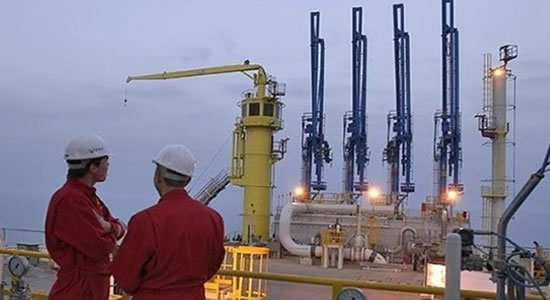
Nigeria has lost an estimated $56.75 billion in direct revenue from natural gas flaring since 2002, according to a new World Bank report, highlighting a vast but underutilised energy resource with the potential to transform the country’s power sector and support emerging global technologies. The report notes that approximately 192 million standard cubic feet of natural gas are flared daily at oil production sites across the country.
The gas, often treated as a byproduct, lacks the infrastructure for capture and commercial use, leading to its release into the atmosphere.
Beyond environmental concerns, the flaring represents a significant economic loss, as the wasted resource could otherwise be harnessed for domestic energy supply and industrial use.
In its 2025 assessment, the World Bank ranked Nigeria among the countries with the highest increase in gas flaring intensity, underscoring the persistence of the challenge despite ongoing reforms in the oil and gas sector.
Technology analyst Simi Ajayi emphasised the scale of the missed opportunity, linking it directly to Nigeria’s energy deficit and global technological demand.
“This wasted energy matches national grid output and could power data centers,” Ajayi said.
Estimates suggest that the flared gas could generate about 3,400 megawatts of electricity—nearly equal to Nigeria’s current grid capacity—at a time when roughly 85 million citizens lack reliable access to power.
Ajayi also connected the issue to the rising global demand for electricity driven by artificial intelligence, noting that data centres now consume energy at levels comparable to heavy industries.
According to projections by the International Energy Agency, global electricity consumption by data centres is expected to nearly double by 2030, increasing at a pace significantly faster than most other sectors.
Despite existing frameworks such as the Petroleum Industry Act of 2021 and the Nigerian Gas Flare Commercialisation Programme, analysts argue that Nigeria must act swiftly to channel this wasted resource into strategic uses, particularly in powering data centres, or risk losing out to other African countries already attracting major investments in digital infrastructure.