
After a high-profile diplomatic journey that included visits to Guinea-Conakry and the esteemed 56th World Economic Forum (WEF) Annual Meeting in Davos, Switzerland, Vice President Kashim Shettima returned to Abuja on Saturday. He boldly proclaimed that Nigeria had firmly regained its place at the forefront of regional and international economic discussions. Nigeria's commitment to regional solidarity in West Africa and its aggressive push to reposition the economy through President Bola Tinubu's Renewed Hope agenda were both evident during the trip, according to the vice president, who led the country's delegation to the WEF under the theme of renewed international engagement. Shettima made his first trip to Conakry, Guinea, where he attended President Mamadi Doumbouya's inauguration on behalf of President Tinubu.
The visit highlighted Nigeria's significant leadership position in the Economic Community of West African States (ECOWAS) and created new avenues for further bilateral collaboration, especially in the manufacturing and agricultural sectors.
He then travelled to the Swiss Alps to lead Nigeria's attendance at Davos 2026. The official opening of Nigeria House Davos, the nation's first permanent sovereign pavilion along the famous Davos Promenade, was a significant milestone.
Nigeria's enormous prospects in solid minerals, agriculture, and the rapidly expanding digital economy are clearly shown at this strategic investment hub, indicating a long-term commitment to drawing in foreign investors.
Vice President Shettima introduced Nigeria's recently developed national food security framework during a prominent WEF session titled "When Food Becomes Security". He emphasised domestic solutions to food concerns in the face of global uncertainties, positioning agriculture not just as an economic industry but as a vital pillar of national security and macroeconomic stability.
Shettima worked with former President Olusegun Obasanjo, former Vice President Yemi Osinbajo, and Minister of Finance Wale Edun to advance the Accra Reset Initiative in a potent demonstration of cross-generational Nigerian leadership.
This African-led forum promotes industrialisation driven by homegrown capital, strong value chains, and less reliance on foreign assistance—a change towards independent continental development. Regarding the economy, the vice president emphasised stabilising macroeconomic data in an upbeat speech to foreign investors.
According to recent central bank outlooks, he stated estimates of roughly 4.4% GDP growth in 2026, which are in line with projections from organisations like the IMF, World Bank, and Nigeria's Central Bank. He also mentioned inflation falling towards 12.94% on average for the year.
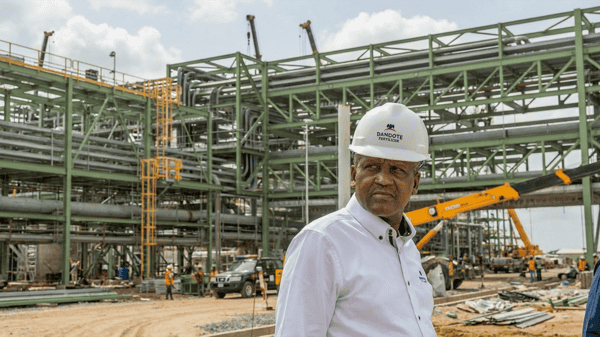
Shettima also highlighted revolutionary trends, such as Nigeria's impending transition to becoming a net exporter of refined petroleum products due to the Dangote Refinery's operationalisation and the growing demand for Nigerian digital skills and services worldwide.
According to a statement released by his Senior Special Assistant on Media and Communication, Stanley Nkwocha, upon arrival at Nnamdi Azikiwe International Airport, the Vice President affirmed that these engagements demonstrate Nigeria's resolve to go beyond rhetoric and produce real outcomes on the international scene.
With the new Nigeria House pavilion set to act as a year-round gateway for investment collaborations, analysts see the trip as a strategic success in showcasing Nigeria's reform momentum.
Vice President Shettima's trip to Davos has strengthened the notion that Nigeria is not only taking part in but also influencing international discussions as the Tinubu administration moves forward with economic reforms.