


The Nigeria Center for Disease Control and Prevention said on Saturday that in response to the expanding outbreak in Uganda and the Democratic Republic of the Congo, Nigeria has stepped up national surveillance and emergency preparedness measures against Ebola virus disease. Nigeria has not reported any confirmed cases connected to the ongoing regional outbreak, according to a new public health advisory released by NCDC Director-General Jide Idris on Sunday. However, the agency cautioned that the risk of importation remains high due to international travel, population movement, and the extent of transmission in affected East African countries. According to the agency's most recent risk assessment, international points of entry, key transportation hubs, and border communities are high-risk sites that need closer observation.
In order to coordinate response efforts across the country, the National Emergency Operations Center has been put into alert mode, and the National Incident Management System has been activated with defined reporting and escalation paths, according to the NCDC.
The agency claims that Rapid Response Teams and epidemiologists have also been put on standby to be deployed to any state if necessary. In an effort to increase national preparedness, the public health organization said that it is stepping up coordination with state Ministries of Health, Port Health Services, and other pertinent government entities.
In order to ensure the early detection of suspected cases, the agency added that surveillance and epidemic intelligence operations have been stepped up nationwide, including increased monitoring of anomalous public health occurrences, rumors, and alerts.
Healthcare facilities across the country have received Ebola preparedness tools and checklists as part of infection prevention efforts, according to the NCDC, and health workers are still receiving refresher training on triage systems, infection prevention procedures, and early detection of suspected cases of viral hemorrhagic fever.
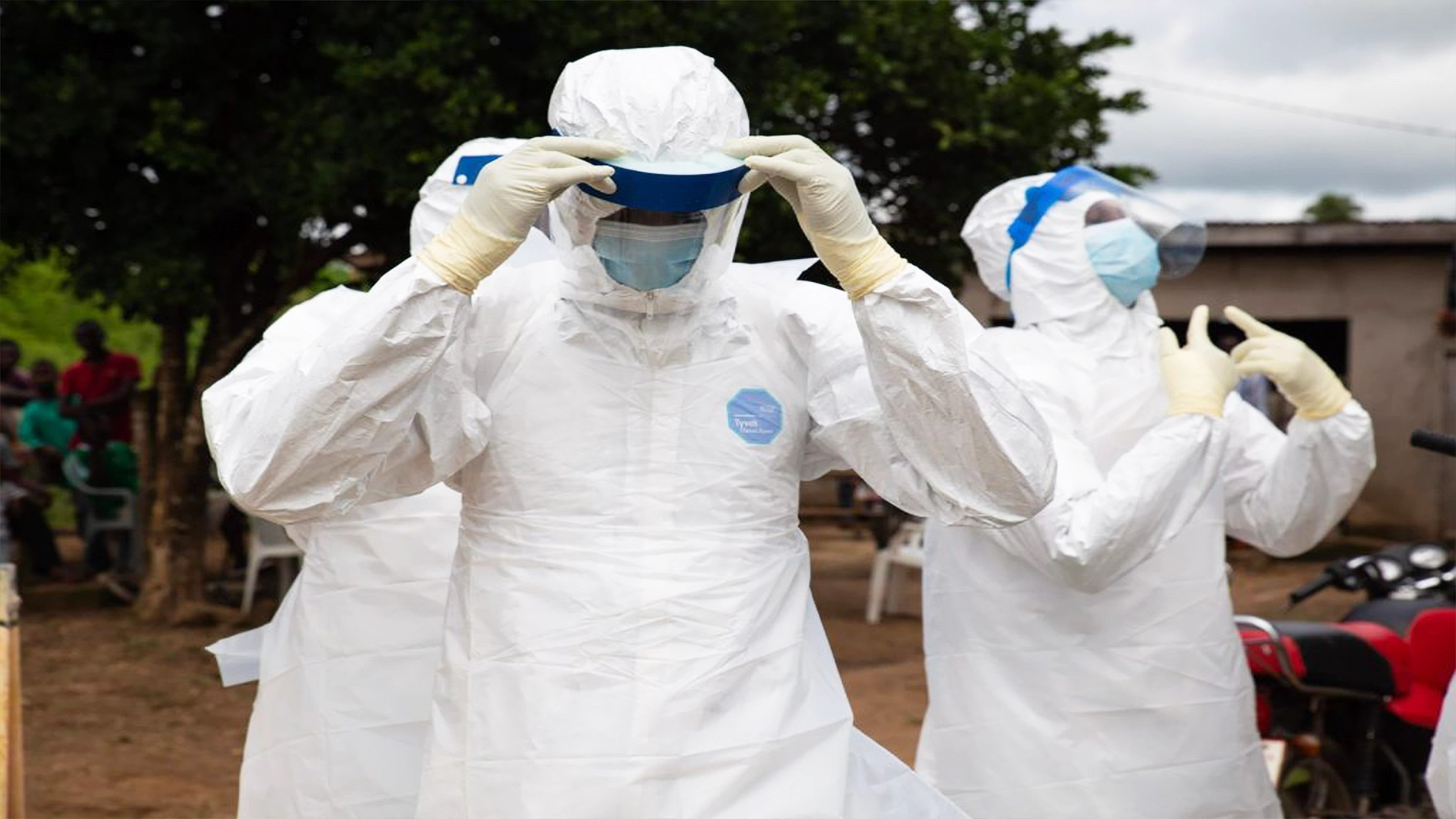
According to the agency, states have also been counseled to establish isolation and treatment facilities, evaluate bed capacity, enhance logistics, and guarantee the availability of emergency medical supplies. Plans are in place to preposition vital response supplies, including body bags, PPE, lab kits, and other emergency supplies, in key areas across the nation.
Regarding laboratory readiness, the NCDC stated that Nigeria presently has testing capacity both inside the national public health laboratory network and in states with international ports of entry. It further stated that surge capacity for Ebola testing is still available if needed.
The organization also issued a warning against false information, stating that it has stepped up public awareness programs and created "Ebola Myths and Facts" materials to refute online rumors.