

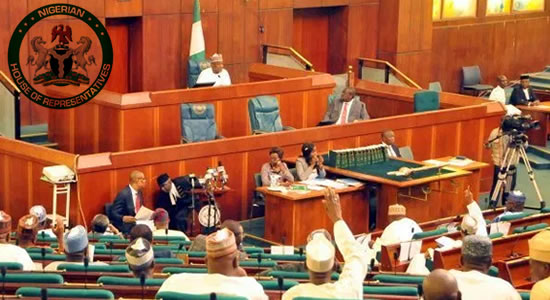
The House of Representatives has released certified true copies (CTCs) of four tax reform Acts passed by the National Assembly and signed by President Bola Ahmed Tinubu, in a move aimed at calming public concerns over allegations that the laws were altered after assent. Speaker Abbas Tajudeen ordered the release, reaffirming that the National Assembly is “an institution of records,” governed by strict rules, precedents and archival systems that preserve the authenticity of every law. The House spokesman, Akintunde Rotimi, said the original signed versions have been made public, while hard copies are being circulated to lawmakers.
In a statement, Rotimi said the Speaker, in concert with Senate President Godswill Akpabio, directed the immediate release of the CTCs, including the endorsement and assent pages signed by the President, following the circulation of “unauthorised and misleading versions” of the laws. He described the action as a demonstration of the House leadership’s commitment to transparency and legislative integrity.
According to the statement, discrepancies were first noticed by a vigilant lawmaker who raised the issue on a point of privilege, prompting internal verification and the public release of the certified Acts to “eliminate doubt, restore clarity, and protect the sanctity of the legislative record.” The four laws are the Nigeria Tax Act, 2025; Nigeria Tax Administration Act, 2025; National Revenue Service (Establishment) Act, 2025; and Joint Revenue Board (Establishment) Act, 2025.
Rotimi quoted Speaker Abbas as saying: “The National Assembly is an institution built on records, procedure, and institutional memory. Every Bill, every amendment, and every Act follows a traceable constitutional and parliamentary pathway… There is no ambiguity about what constitutes the law.” He added that only the certified versions released by the National Assembly are authentic and authoritative.
The House also disclosed that the Clerk to the National Assembly has aligned the certified Acts with the Federal Government Printing Press to ensure uniformity, while an ad-hoc committee chaired by Hon. Muktar Aliyu Betara continues to investigate how unauthorised versions entered circulation.
Meanwhile, a major fiscal shift is expected from next month, as states and local governments are projected to receive significantly higher allocations from the Federation Account under the new tax regime. Under the framework, all Pay As You Earn and Personal Income Tax revenues will go to states, while 90 per cent of Value Added Tax will be shared by subnational governments, 55 per cent to states and the FCT, and 35 per cent to local councils.
The arrangement also allocates 26.7 per cent each of Company Income Tax and Petroleum Profit Tax to states, with 20.6 per cent of both taxes accruing to local governments. Officials at the Federation Accounts Allocation Committee said technical teams would begin reconfiguring revenue-sharing templates to reflect the new inflows, describing the changes as one of the most significant fiscal developments for subnational governments in recent years.
Beyond increased revenues, the Nigeria Tax Administration Act, 2025 introduces stricter compliance rules and penalties, including sanctions for failure to register, file returns, remit deducted taxes, or maintain proper records. The Act also grants tax authorities enhanced enforcement powers, while officials say the combination of higher accruals and tougher compliance will reshape fiscal relations within the federation, placing greater responsibility and opportunity in the hands of states and local governments.