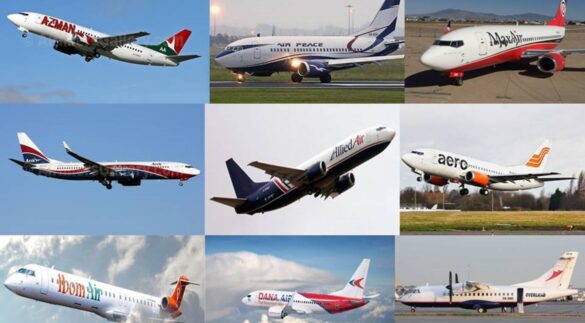

Due to unpaid statutory remittances owed to the regulator, the Nigerian Civil Aviation Authority (NCAA) has suspended its previous "no pay, no service" orders against eleven local carriers. With domestic carriers already dealing with several issues, most notably the escalating cost of aviation fuel, the NCAA's decision has pulled the industry back from the verge of a possible operational shutdown. Just two days have passed since the NCAA ordered its departments and regional offices to stop providing services to eleven domestic operators due to unpaid bills. Just two days have passed since the NCAA ordered its departments and regional offices to stop providing services to eleven domestic operators due to unpaid bills. The NCAA ordered its departments and regional offices to deny services to 11 domestic operators due to outstanding financial commitments just two days before the suspension.


As the blockade of the Strait of Hormuz has continued unabated with jet fuel prices getting out of reach, there are indications that domestic airlines in Nigeria will shut down operations effective Thursday, April 30, 2026, raising fresh fears of widespread travel disruption across the country. An insider source says the airlines, having engaged both the Federal Government and oil marketers without a breakthrough, may be left with no option but to ground flights by Thursday.

Following a series of court decisions that altered the union's power structure, Tajudeen Baruwa assumed leadership of the National Union of Road Transport Workers' national secretariat in Abuja, displacing Musiliu Akinsanya, also known as MC Oluomo. This marked a dramatic turn in the union's leadership crisis. Speaking to reporters at the secretariat on Monday after regaining power, Baruwa claimed that two court rulings in his favor supported his actions. He was accompanied by supporters from all over the nation. He said that in order to aid in the recovery of its secretariat, the union formally informed the Nigerian Police after the victory and included copies of the court rulings.

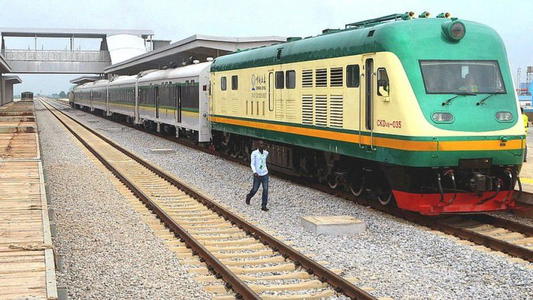
An Abuja train en route to Kaduna derailed on Monday after colliding with another train along the rail corridor, resulting in the immediate stoppage of operations and the confirmed injuries of several passengers. Serious questions about safety procedures and the signaling system on Nigeria's biggest rail route have been raised by the event, which happened during the busiest early morning traffic. Passengers claim that although the train left Kaduna on time, it ran into a stalled or approaching train on the track. Both engines completely stopped as a result of the impact, which witnesses characterized as a "sudden and violent jolt."