



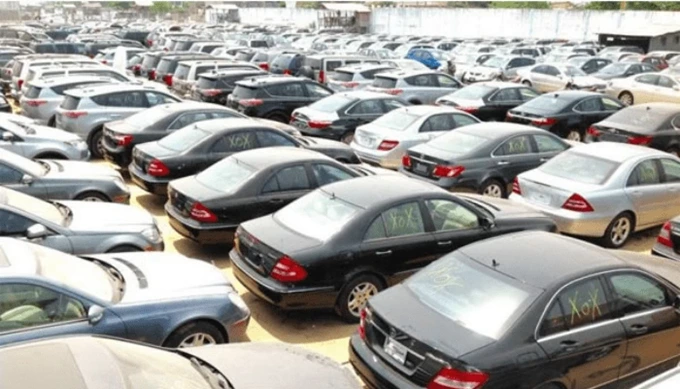
The Federal Government has revealed plans to commence a compulsory vehicle recycling fee from 2026, a measure that is expected to put additional costs on Nigerian motorists as vehicle imports increase to record levels. This was disclosed on Sunday in a statement by the Director-General of the National Automotive Design and Development Council, Joseph Osanipin, stating the initiative would be driven by a N150 bn comprehensive End-of-Life Vehicle programme already approved for implementation.
According to Osanipin, the policy would formalise the recycling of automobiles that have reached the end of their useful life, transforming what is presently a safety and environmental burden into a significant economic opportunity.
He stated that Nigeria's scheme will use a similar concept, charging a small fee at the time of car registration to finance recycling and environmentally responsible disposal. He admitted that this approach might first encounter opposition from the public.
Osanipin pointed out that Nigeria already has a booming unofficial market for used vehicle parts, known as the "Belgian parts market", which is mostly fueled by worries about new parts' endurance and quality.
He said that research conducted by the council revealed that more than 85% of parts from vehicles that have reached the end of their useful lives are still recyclable or reusable, providing a solid basis for a formal circular economy.
Beyond generating income, he continued, the recycling ecosystem will provide thousands of jobs in the logistics, component resale, disassembly, and refurbishment sectors. This year's recovery in Nigeria's auto import industry coincides with the announcement. According to recent research, the value of passenger motor car imports increased to over N1.01 trillion in the first nine months of 2025 from approximately N894 billion in the same period the previous year. This indicates a resurgence in demand as importer confidence returns and foreign exchange market stability improves.
The recovery only started to pick up steam in the second half of the year, according to data from the National Bureau of Statistics. The third quarter saw a significant increase in import value that more than made up for sluggish activity earlier in the year.
The recovery shows how resilient Nigeria's auto industry is, particularly in the fairly used ("Tokunbo") segment, but it also draws attention to enduring issues, including high landing costs, currency risk, and structural reliance on imports.

