


The World Health Organization (WHO) says that although the COVID-19 pandemic has officially ended and the virus no longer causes the level of disruption seen during the global health emergency, it continues to hospitalize and kill people, particularly those who are not up to date with vaccination. Studies led by the WHO Regional Office for Europe found that people who received timely booster doses were significantly less likely to develop severe illness, require intensive care or die from COVID-19. The findings were drawn from data collected by the European Severe Acute Respiratory Infection Vaccine Effectiveness (EuroSAVE) network, which monitors hospitalised respiratory infections across parts of Europe, the Balkans, the South Caucasus, and Central Asia.

For decades, steroid use has been stereotypically associated with hyper-muscular men, like Arnold Schwarzenegger or modern-day shirtless influencers like “the Liver King.” But that image is rapidly shifting. Women now account for a growing share of steroid users, signalling an urgent need to rethink harm-minimisation strategies that have long targeted men alone.

Three people have died after contracting the Marburg virus, and three more are suspected of being linked to the extremely contagious haemorrhagic sickness, Ethiopia's health ministry announced on Monday. Ethiopia's Health Minister, Mekdes Daba, said the government, which announced a Marburg epidemic on Friday, had tested 17 probable cases in the country's south. The outbreak has been recorded in the Omo region.

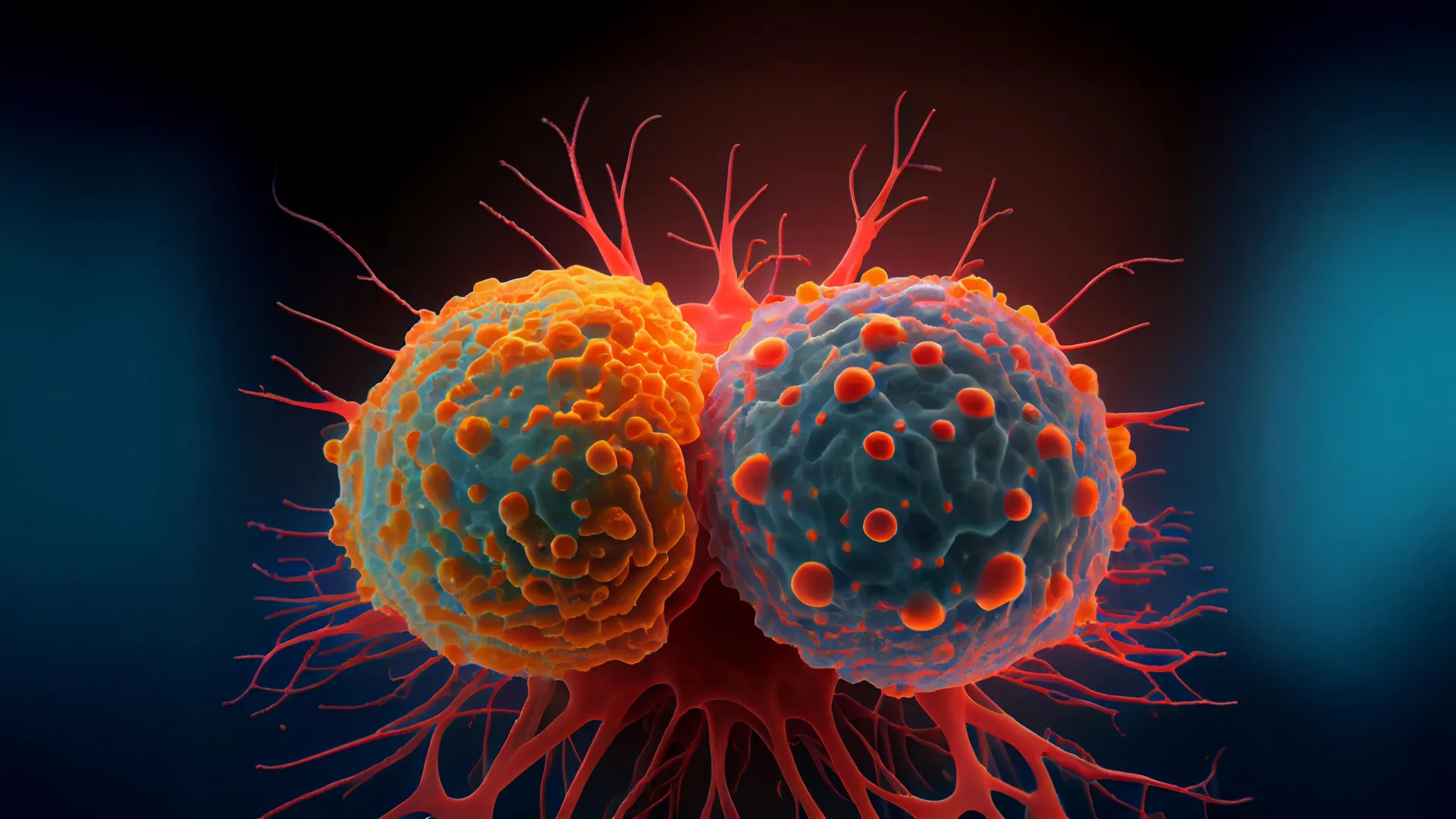
Recent research has revealed that pregnancy and breastfeeding generate long-lasting CD8+ T lymphocytes that remain active in breast tissue, offering enduring immune protection. This groundbreaking discovery, described by scientists as a "paradigm shift," was unveiled at the 2025 European Society for Medical Oncology (ESMO) Annual Meeting in Berlin and published simultaneaously in Nature. The findings have the potential to reshap how sceintistws and clinicians understand breast cancer (BC) prevention and treatment, especially regarding immune-related mechanisms in women's health.

The World Health Organization (WHO) has officially recommended the use of Ienacapavir, a long-acting injectable drug, for HIV prevention. This milestone announcement was made on July 14 during the 13th International AIDS Society Conference in Kigali. The recommendation aims to help countries adopt lenacapavir, especially in high-burden areas and among vulnerable populations. Lenacapavir, marketed as Sunlenca for treatment and Yeztugo for prevention, is a capsid inhibitor approved in 2022 for certain HIV treatments. Its unique mechanism blocks HIV replication by targeting the virus's protective protein shell. Unlike daily oral pills, lenacapavir is administered only twice a year via injection and has shown near-complete protection in clinical trials.